
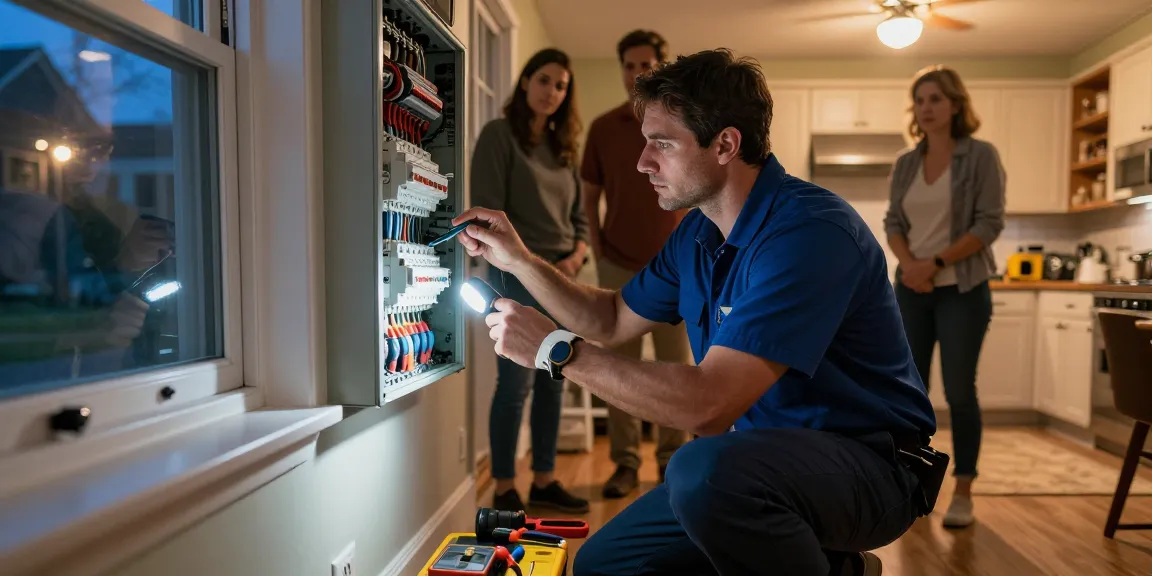
Understanding Emergency Electrical Situations
Electrical emergencies can strike unexpectedly, leaving individuals feeling stressed and unsure of what to do. Whether it’s a sudden blackout, flickering lights, or even the smell of burning wires, recognizing the signs of an electrical emergency is crucial. The first step toward ensuring safety and restoring power involves understanding the nature of the emergency at hand. In the subsequent sections, we will delve into the defining characteristics of electrical emergencies, explore common causes of power failures, and outline essential safety precautions to adopt during these critical moments. For more comprehensive insights on effective management of such situations, click here.
What Constitutes an Electrical Emergency?
An electrical emergency is any situation involving electricity that poses an immediate risk to safety or property. This can include power outages, sparking outlets, or overheated electrical equipment. If you hear buzzing sounds, see frayed wires, or if circuit breakers trip frequently, these are potential warning signs of a pressing electrical problem. In such scenarios, the priority should always be safety over addressing the problem immediately.
Common Causes of Power Failures
Power failures can stem from various sources, including both natural and manmade causes. Some common culprits include:
- Severe weather conditions like storms or heavy winds
- Faulty wiring or outdated electrical systems
- Overloaded circuits due to excessive power consumption
- Equipment malfunctions
- Animal interference, such as squirrels chewing through wires
Understanding these causes can help homeowners take proactive measures to prevent future incidents.
Safety Precautions to Take During Emergencies
Immediate safety should be the foremost concern when faced with an electrical emergency. Key precautions include:
- Avoid touching any electrical equipment or wires while standing in water.
- Utilize flashlights instead of candles to prevent fire hazards.
- Unplug non-essential appliances to reduce the load on electrical circuits.
- Stay calm and avoid panic to think clearly about the next steps.
Having an emergency plan in place can also save valuable time and avoid danger during such unexpected events.
Step-by-Step Guide to Addressing Electrical Problems
When faced with electrical issues, knowing how to assess the situation and act appropriately can make a significant difference. Below is a detailed guide to navigating electrical problems effectively.
Initial Assessment of the Situation
The first step in addressing electrical problems is to assess the situation carefully. Identify the type and scope of the issue at hand. Are multiple areas affected, or is it localized to a single room? Understanding whether the issue is due to a blown fuse, a tripped circuit breaker, or an external power outage can provide clarity in resolving the issue efficiently.
Identifying Potential Hazards
Potential hazards should be prioritized during your assessment. Look for:
- Burning smells or strange noises coming from outlets or appliances
- Sparking or damaged cords
- Signs of water damage near wires or outlets
- Tripped breakers or blown fuses
Recognizing these hazards early on can prevent accidents and further complications.
When to Call Professional Help?
Understanding when to involve professionals is crucial in managing electrical emergencies. If you encounter:
- Continual tripping of circuit breakers
- Widespread power outages affecting several parts of your home
- Sparking outlets or burnt smells
- Inability to safely address the issue yourself
It’s essential to contact a licensed electrician immediately. Their expertise ensures that the problem is diagnosed and resolved swiftly and safely.
Best Practices for Home Electrical Safety
Preventing electrical emergencies begins with establishing robust safety practices in your home. Implementing these best practices can guard against common electrical hazards.
Regular Maintenance and Inspections
Scheduling regular inspections with a qualified electrician helps in identifying potential issues before they escalate. This includes checking:
- Wiring for any frays or outdated connections
- Electrical panels for overloads
- Ground fault circuit interrupters (GFCIs) for functionality
Such proactive measures play a significant role in reducing the risk of electrical emergencies.
Installing Backup Power Solutions
Investing in backup power solutions like generators can provide peace of mind during power outages. Considerations for installation include:
- The size and capacity of the generator required for your home’s needs
- Placement to ensure safety and accessibility
- Maintenance of the generator for optimal performance
This not only ensures continuous power supply but also minimizes disruption during emergencies.
Emergency Preparedness Planning
Preparedness is key when it comes to electrical emergencies. Formulate an emergency plan that includes:
- A list of emergency contacts
- Locations of emergency shut-off switches
- A family communication strategy in case of power outages
Practicing this plan can improve response times and reduce panic during actual emergencies.
Latest Trends in Emergency Electrical Services
The field of emergency electrical services has evolved significantly, with advancements promising greater efficiency and safety. Here are some of the latest trends shaping the industry.
Smart Technology in Electrical Emergency Response
Smart home technology allows for enhanced monitoring and management of electrical systems. Devices can now provide real-time alerts about potential issues, enabling homeowners to act swiftly before a minor problem escalates. Smart circuits can automatically shut off in emergencies, minimizing damage.
Innovative Tools and Equipment Enhancements
Electrical professionals are now utilizing advanced tools such as thermal imaging cameras to detect overheating wires and connections. These innovations lead to faster diagnostics and repairs, ultimately enhancing service efficiency.
Future Predictions for the Electrical Services Industry in 2026
By 2026, we anticipate significant developments in the electrical services industry, including:
- Increased integration of AI for diagnostics and problem-solving.
- Greater emphasis on sustainable energy solutions and smart grids.
- Enhanced training for electricians to keep up with technology trends.
These advancements will revolutionize emergency electrical services, making them more robust and user-friendly.
Frequently Asked Questions
What should I do if my power goes out unexpectedly?
Begin by checking your circuit breaker box for tripped breakers. If it’s an isolated incident, try resetting the breaker. If the problem persists, immediately contact your electricity provider.
How can I prevent electrical emergencies?
Regular inspections, avoiding overloading circuits, and ensuring all electrical devices are in good condition can prevent many emergencies from occurring.
What are the signs of an electrical fire hazard?
Signs include warm or discolored outlets, flickering lights, burning smells, and frequent circuit breaker trips. If you notice any of these, seek immediate professional assistance.
Why is regular inspection important for my electrical systems?
Regular inspections help identify issues before they become significant problems, ensuring the safety of your home and reducing the risk of electrical failure.
How can I find reliable emergency electrical services?
Look for licensed electricians with positive reviews and appropriate certifications. Recommendations from friends or family can also guide you to reputable services.