Understanding Flexible Vinyl Plank Flooring
What is Flexible Vinyl Plank Flooring?
Flexible vinyl plank flooring is a versatile and innovative flooring solution made from a high-quality synthetic material designed to simulate the appearance of wood or stone. Unlike traditional hard flooring options, flexible vinyl provides a soft and cushioned surface that enhances comfort and minimizes foot fatigue. This type of flooring is typically constructed with multiple layers, including a wear layer, design layer, and backing layer, promoting durability and ease of maintenance. Many homeowners and commercial spaces are increasingly opting for flexible vinyl due to its resistance to moisture, ease of installation, and aesthetic versatility. For those considering this option, flexible vinyl plank flooring can be a transformative addition.
Benefits of Choosing Flexible Vinyl Plank Flooring
Choosing flexible vinyl plank flooring offers numerous benefits that make it an attractive option for various applications.
- Durability: Flexible vinyl is designed to withstand daily wear and tear, making it perfect for high-traffic areas.
- Water Resistance: This flooring type is highly resistant to moisture, ideal for bathrooms and kitchens.
- Comfort Underfoot: The soft texture makes it comfortable for prolonged standing, reducing fatigue.
- Easy Installation: With options for click-lock systems or glue-down methods, installation is straightforward and efficient.
- Low Maintenance: Regular sweeping and occasional mopping are all that’s needed to maintain its appearance.
- Aesthetic Flexibility: Available in a vast array of colors, patterns, and textures, it can fit any design style.
Common Uses and Applications
Flexible vinyl plank flooring is suitable for various settings. Here are some common applications:
- Residential Use: Ideal for living rooms, bedrooms, and kitchens.
- Commercial Spaces: Commonly used in retail stores, restaurants, and office buildings due to its durability.
- Healthcare Facilities: Perfect for hospitals and clinics where cleanliness and comfort are paramount.
- Education: Schools and daycare centers benefit from its safety, easy cleaning, and resistance to scuffs.
Installation Process for Flexible Vinyl Plank Flooring
Preparing Your Space for Installation
Before commencing installation of flexible vinyl plank flooring, proper preparation of the space is crucial. Start by examining the subfloor for any imperfections. It should be clean, dry, level, and free of debris. Any existing flooring may need to be removed unless you’re installing over an acceptable surface. Ensure the room's temperature is within the manufacturer’s recommended range; typically, this is between 65°F and 85°F. If your vinyl planks come with an underlayment, check that it’s correctly installed to enhance cushioning and sound absorption.
Step-by-Step Installation Guide
- Measure the Area: Calculate the square footage of the installation area to determine how much flooring you'll need.
- Cut the Planks: Using a utility knife, cut the planks to fit the dimensions of your room and around obstacles.
- Lay the First Row: Begin in one corner of the room and lay the first row of planks in the desired direction.
- Connect Subsequent Rows: Continue laying planks, ensuring to stagger the seams for a natural look.
- Trim Edges: Use the utility knife to trim edges for a perfect fit against walls or corners.
- Finish with Moldings: Install baseboards or moldings around the edges for a clean, professional finish.
Tools Required for Installation
To ensure a smooth installation of flexible vinyl plank flooring, you will need the following tools:
- Utility knife for cutting planks
- Measuring tape for accurate measurements
- Straightedge or T-square for guiding cuts
- Pull bar and tapping block for aligning planks
- Flooring adhesive if not using a clicked-together system
- Broom or vacuum for cleaning the subfloor
- Moisture meter to test subfloor moisture levels
Maintenance and Care for Flexible Vinyl Plank Flooring
Daily Cleaning Tips
To keep your flexible vinyl plank flooring looking pristine, regular cleaning is essential. Here are some daily cleaning tips:
- Sweep or vacuum regularly to remove dirt and debris.
- Use a damp mop with a mild cleaning solution designed for vinyl floors to wipe down surfaces.
- Wipe up spills immediately to prevent staining or slipping hazards.
- Avoid using abrasive cleaners or tools that could scratch or damage the surface.
Long-Term Maintenance Practices
For the longevity of your flexible vinyl plank flooring, adopt these long-term maintenance practices:
- Maintain a consistent indoor temperature and humidity level to prevent expansion and contraction of the planks.
- Use area rugs in high-traffic zones to reduce wear.
- Periodically check for signs of moisture buildup and address any sources of leaks or spills at once.
- Consider applying a vinyl floor polish for added gloss and protection against scratches.
Common Issues and Solutions
Common issues may arise with flexible vinyl plank flooring, but many have straightforward solutions:
- Scratches: Use a vinyl floor repair kit for small scratches or consider professional refinishing for more substantial damage.
- Discoloration: Regular cleaning and avoiding direct sunlight can help prevent fading. If discoloration occurs, replacement of affected planks may be necessary.
- Peaking: This occurs when planks buckle upwards due to humidity; ensure adequate expansion gaps during installation to prevent this issue.
Stylish Design Ideas Using Flexible Vinyl Plank Flooring
Shades and Patterns to Consider
Flexible vinyl plank flooring comes in a myriad of shades and patterns, enhancing the aesthetic appeal of your space. Some popular choices include:
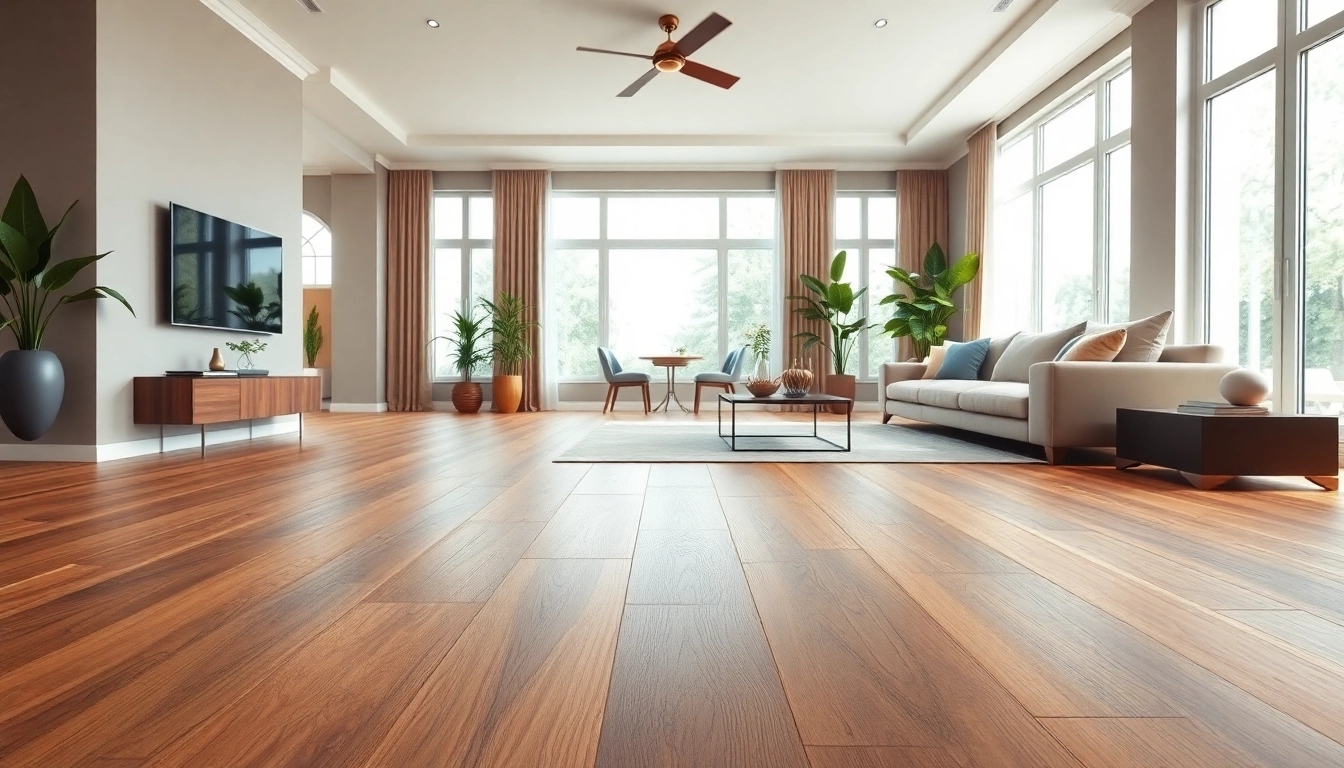
- Classic Wood Looks: Mimicking the intricacies of oak or walnut for a cozy, traditional feel.
- Stone Textures: Emulating the elegant appearance of slate or marble while maintaining comfort.
- Bold Colors: Unique colors and patterns to add a contemporary touch to modern spaces.
Integrating with Other Design Elements
Flexibility in design allows you to integrate flexible vinyl plank flooring with various elements:
- Pair vinyl with neutral walls for a classic look, enhancing the room's brightness.
- Combine with modern furniture styles for a contemporary vibe.
- Mix textures and materials by layering rugs over the vinyl for added warmth and style.
Creating a Cohesive Look in Your Home
To create a cohesive look throughout your home, consider the following:
- Choose a unified color palette across your flooring and decor.
- Extend the same flooring type across open-concept spaces to maintain flow.
- Incorporate design accents, such as matching area rugs or wall art, for visual harmony.
Frequently Asked Questions About Flexible Vinyl Plank Flooring
Is flexible vinyl plank flooring suitable for bathrooms?
Yes, flexible vinyl plank flooring is an excellent choice for bathrooms due to its water resistance and durability.
How long does flexible vinyl plank flooring last?
This flooring can last 10-20 years, depending on quality and maintenance practices.
Can I install flexible vinyl plank flooring over existing floors?
Yes, you can install it over many existing flooring types, but ensure that the surface is level and clean.
What should I do if my flexible vinyl plank flooring gets damaged?
If damaged, you can replace individual planks or use a vinyl repair kit for scratches and minor imperfections.
How does flexible vinyl plank flooring compare to hardwood?
Flexible vinyl plank flooring offers similar aesthetics to hardwood but is generally more affordable and easier to maintain.