Introduction to Everest Base Camp Heli Trek
The Everest Base Camp Heli Trek is an extraordinary journey that combines the thrill of trekking in the Himalayas with the convenience of a helicopter return. This unique trekking experience allows adventurers to reach the legendary base camp of Mount Everest while minimizing the physical demands typically associated with long-distance trekking. Travelers can enjoy breathtaking views, rich cultural encounters, and the satisfaction of conquering one of the world’s most renowned peaks, all while ensuring a swift and scenic way back to Kathmandu. Whether you are a seasoned trekker or a first-time adventurer, this trek offers a fantastic opportunity to explore the majestic beauty of the Khumbu region.
When exploring options, Everest Base Camp Heli Trek provides comprehensive insights into planning your journey, making it an ideal choice for those looking to enhance their trekking experience with minimal fatigue.
What is the Everest Base Camp Heli Trek?
The Everest Base Camp Heli Trek is designed for trekkers seeking to experience the beauty of the Himalayas without the extended physical strain that often accompanies traditional trekking routes. This trek typically involves a flight to Lukla, followed by several days of hiking through the exhilarating landscapes of Sagarmatha National Park, where trekkers can immerse themselves in the unique culture of the Sherpa communities. The highlight of this trek is the helicopter ride back from the base camp, allowing participants to enjoy aerial views of the majestic peaks, glaciers, and valleys that define this stunning region.
Benefits of Choosing a Helicopter Return
Opting for a helicopter return from Everest Base Camp offers several distinct advantages:
- Time-Saving: The helicopter significantly reduces travel time compared to the traditional trek back, allowing for a more efficient itinerary.
- Stunning Aerial Views: The helicopter ride provides breathtaking panoramic views of the Himalayas, offering perspectives of iconic peaks like Lhotse, Nuptse, and Makalu that are impossible to appreciate from the ground.
- Less Physical Strain: For those who may find the return trek back to Lukla too strenuous, a helicopter provides a comfortable alternative, making the trek accessible for a wider range of travelers.
- Flexibility in Itinerary: With the helicopter return, trekkers can easily adjust their travel plans in case of unforeseen circumstances, such as weather changes or health issues.
Overview of the Trekking Experience
The Everest Base Camp Heli Trek typically lasts around 9 to 12 days, depending on the chosen itinerary. The journey begins with a flight from Kathmandu to Lukla, where trekkers start their adventure. The trek takes you through picturesque villages, ancient monasteries, and breathtaking landscapes, with opportunities for acclimatization days to help adjust to the altitude. Key highlights include exploring Namche Bazaar, the gateway to the Khumbu region, and visiting Thyangboche Monastery, known for its stunning views and serene environment. Each day of trekking offers new challenges and rewards, culminating in the ultimate goal: standing at Everest Base Camp, where climbers from around the world gather before their ascent.
Planning Your Trek: What You Need to Know
Best Times to Visit for the Everest Base Camp Heli Trek
The best times to embark on the Everest Base Camp Heli Trek are during the spring (March to May) and autumn (September to November) seasons. During these periods, the weather is generally stable, and visibility is at its peak, which enhances the trekking experience. Spring offers beautiful blooming flowers and mild temperatures, while autumn showcases clear skies and vibrant mountain scenery, making it an excellent time for photography and exploration.
Essential Gear and Preparation Tips
Preparing for the Everest Base Camp Heli Trek requires careful consideration of gear and physical readiness. Essential gear includes:
- Clothing: Layered clothing is crucial, including moisture-wicking base layers, insulated jackets, and waterproof outer layers to handle diverse weather conditions.
- Footwear: Sturdy and comfortable trekking boots are a must, providing support and grip on rugged terrains.
- Backpack: A lightweight, durable backpack for carrying essentials is important.
- Sleeping Gear: If planning to stay in teahouses, consider a sleeping bag rated for cold temperatures.
- Health Supplies: First aid kits, altitude sickness medication, and personal medications should be included.
Additionally, maintaining good physical fitness through conditioning exercises prior to the trek can enhance endurance and comfort during the hike.
Recommended Itineraries and Travel Packages
Various travel agencies offer tailored itineraries for the Everest Base Camp Heli Trek, catering to different fitness levels and preferences. Common packages include options for guided treks, travel insurance, and all necessary permits. Popular itineraries generally range from 9 to 12 days, incorporating acclimatization days in key locations such as Namche Bazaar and Dingboche for optimal health and safety.
Understanding the Costs of the Everest Base Camp Heli Trek
Average Pricing Breakdown for 2026
The cost of the Everest Base Camp Heli Trek can vary based on several factors, including the duration of the trek, the level of comfort chosen, and additional services. On average, prices begin around $2,000 per person for standard packages and can exceed $5,000 for luxury experiences with premium accommodations and additional amenities.
What Influences the Cost of Your Trek?
Several elements play a significant role in determining the cost of the trek:
- Group Size: Smaller groups often incur higher per-person costs but can provide a more personalized experience.
- Inclusions: Packages that include meals, accommodation, guides, and transportation will naturally cost more.
- Time of Year: Peak trekking seasons may see increased pricing due to higher demand.
- Added Activities: Additional excursions or experiences, such as cultural tours or luxury helicopter rides, will also influence pricing.
Comparing Budget vs. Luxury Options
For travelers planning their Everest Base Camp Heli Trek, it’s essential to weigh budget-friendly options against luxury packages. Budget options typically provide basic lodging in teahouses, while luxury packages often include upscale accommodations, gourmet meals, and private transport. The decision largely depends on personal comfort levels and preferences for adventure versus relaxation.
Experiencing the Journey: Highlights Along the Trek
Stunning Views and Key Landmarks
The Everest Base Camp Heli Trek is renowned for its breathtaking views and remarkable landmarks. Trekkers will have the opportunity to experience:
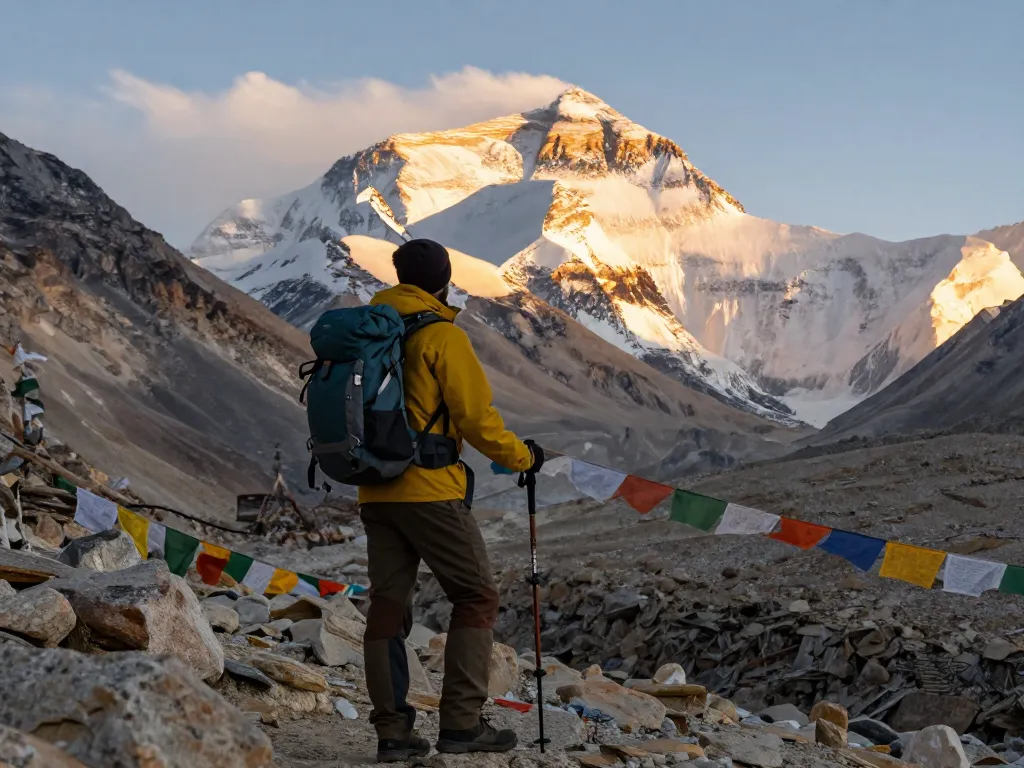
- Mount Everest: The breathtaking sight of the world’s highest peak is a highlight that never fails to impress.
- Kala Patthar: This viewpoint offers perhaps the best panoramic views of Mount Everest and surrounding peaks, especially during sunrise.
- Khumbu Glacier: The trek routes past this magnificent glacier, showcasing the raw power of nature.
Cultural Experiences with Local Sherpas
One of the most rewarding aspects of the Everest Base Camp Heli Trek is the chance to engage with Sherpa culture. Travelers can visit local villages, discover traditional practices, and even stay in teahouses run by Sherpa families. These interactions not only enrich the trekking experience but also provide insight into the lives of the resilient communities living in this remote region.
Health and Safety Considerations in High Altitude
High-altitude trekking presents unique challenges. Acclimatization days, along with proper hydration and nutrition, are essential for minimizing the risk of altitude sickness. Trekkers should be aware of the symptoms of altitude sickness and understand the importance of pacing themselves throughout the journey. Additionally, travelers are advised to have travel insurance that covers high-altitude activities for added safety.
Future Trends in Trekking: What’s Next for 2026 and Beyond?
Emerging Technologies in Trekking Safety and Navigation
As trekking continues to evolve, new technologies are redefining how adventurers navigate and ensure their safety in remote areas. Innovations such as GPS tracking devices, satellite communication tools, and mobile apps designed for trekking are becoming increasingly common. These advancements not only enhance safety but also provide trekkers with real-time information about their surroundings.
Environmental Sustainability Practices in Trekking
With the rise of eco-conscious travel, trekking companies are implementing sustainable practices to protect the delicate Himalayan environment. Initiatives such as waste management programs, responsible tourism practices, and partnerships with local communities are essential for preserving this breathtaking region for future generations. Trekkers are encouraged to participate in eco-friendly activities, including minimizing waste and respecting local customs.
Increasing Popularity of Heli Trekking Experiences
The growing popularity of heli trekking experiences reflects a broader trend towards customizable adventure travel. As more trekkers seek to maximize their time in the Himalayas while navigating the challenges of altitude, the demand for innovative trekking options continues to rise. This trend is expected to shape the future of trekking, providing new opportunities for adventure enthusiasts.
What is the typical itinerary for the Everest Base Camp Heli Trek?
The typical itinerary for the Everest Base Camp Heli Trek involves a combination of trekking and helicopter travel, typically spanning 9 to 12 days, allowing for a balanced experience of adventure and rest.
How difficult is the Everest Base Camp Heli Trek?
The difficulty of the Everest Base Camp Heli Trek can be considered moderate to challenging, primarily influenced by altitude and terrain. Proper acclimatization and physical preparation are key to enjoying the trek comfortably.
What should I pack for the Everest Base Camp Heli Trek?
Packing essentials for the Everest Base Camp Heli Trek include appropriate clothing, trekking boots, a sleeping bag, a first aid kit, and personal items necessary for a comfortable trekking experience.
Are there age restrictions for the Everest Base Camp Heli Trek?
While there are no strict age restrictions, it is essential for participants to be in good health and physical condition, regardless of age. Young trekkers should be accompanied by an adult, and older trekkers should ensure they consult with a medical professional before embarking on the trek.
How can I ensure a safe trekking experience?
To ensure a safe trekking experience, it is advisable to prepare adequately, choose a reputable trekking company, pay attention to acclimatization, and be mindful of one’s physical condition throughout the journey.