
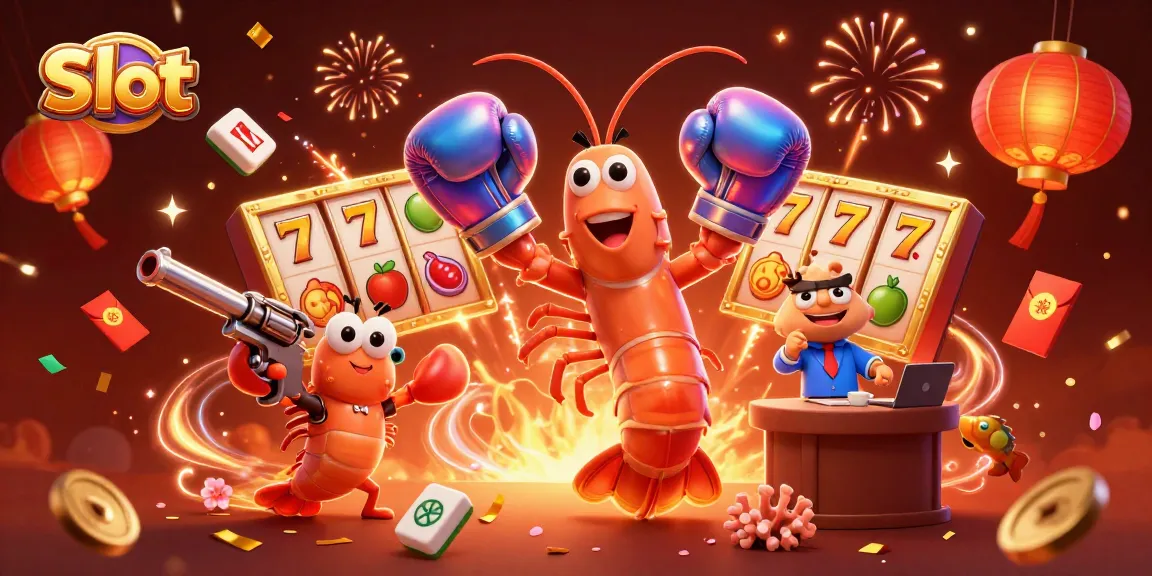
Understanding Slot Mechanics
Slot games are one of the most popular forms of gambling, both online and in land-based casinos. Their simplicity, combined with a variety of themes and potential for big wins, attracts players of all levels. In this guide, we will delve into the mechanics behind slot games, exploring their structures, payout systems, and the technology that drives them. The more you understand about slot games, the better equipped you will be to make informed choices during your playtime. When exploring options, Slot resources provide comprehensive insights that can enhance your experience and strategy.
What Are Slot Games?
Slot games, commonly referred to as “one-armed bandits,” are electronic gambling machines that create random outcomes based on their programmed configurations. Players insert money, spin the reels, and check for winning combinations displayed on the paylines. The basic goal is to match symbols along the designated lines, but variations exist that introduce unique features such as bonus rounds and progressive jackpots.
How Random Number Generators Work
At the core of every slot game is a Random Number Generator (RNG). This software ensures each spin is independent and fair by generating random results that cannot be predicted. When players press the spin button, the RNG produces a string of numbers corresponding to a specific set of symbols on the reels, determining the outcome. Understanding this aspect is crucial for players to comprehend that no strategy can influence the outcome of each spin.
Payout Structures in Slot Machines
Slot machines feature different payout structures that players should familiarize themselves with. The Return to Player (RTP) percentage indicates how much a game pays back to players over time. Generally, a higher RTP means better long-term returns. Additionally, volatility or variance in slots indicates the risk level associated with a game; low volatility slots yield frequent but smaller wins, whereas high volatility slots deliver larger payouts less frequently. Grasping these concepts helps players select slots that match their risk tolerance and playing style.
Choosing the Right Slot Game
With thousands of slot games available, selecting the right one can be overwhelming. However, a systematic approach can help narrow down choices based on personal preferences and playing style. Take the time to research and understand various options so you can maximize your gaming experience.
Identifying Game Variants
Slot games come in numerous types, including classic slots, video slots, and progressive jackpot slots. Classic slots often have three reels and fewer paylines, focusing on traditional symbols like fruits and bars. Video slots, however, feature advanced graphics, multiple paylines, and themed storytelling. Progressive slots present an opportunity to win a substantial jackpot that grows with each wager placed, attracting risk-takers and dreamers alike. Players should assess what type of gameplay appeals to them the most.
Assessing RTP and Volatility
As previously mentioned, two critical indicators of a slot’s performance are its RTP and volatility. The RTP is typically found in the game’s information section. Players are encouraged to select slots with an RTP of 95% and above for better returns. Understanding volatility helps players make informed decisions based on their risk appetite—while high volatility can lead to significant wins, it also comes with increased risks.
Understanding Paylines and Bet Sizes
Paylines are the lines on which winning combinations are formed, and they can vary widely between games. Classic slots might have just one payline, while modern video slots may feature hundreds. Players should familiarize themselves with how paylines operate for each game, as it directly affects profit potential. Moreover, determining the right bet size is vital; players should ensure their bets align with their bankroll management strategy, keeping their session sustainable without risking too much at once.
Maximizing Your Bankroll
Effective bankroll management is vital in ensuring a long and enjoyable gaming experience. Players should set a budget before playing and stick to it, making educated decisions to enhance their playtime while minimizing losses.
Budgeting for Slot Play
To maximize enjoyment, it’s essential to allocate a specific amount of money to slot play. This budget should be an amount that players can afford to lose and should not disrupt their financial stability or daily life. Keeping track of spending helps maintain control over the gambling experience.
Utilizing Promotions and Bonuses
Casinos frequently offer promotions and bonuses that players can utilize to enhance their bankroll. Welcome bonuses, no-deposit bonuses, and free spins can significantly increase a player’s chances of achieving profitable outcomes. It’s important to read the terms and conditions attached to these promotions, especially regarding wagering requirements, which dictate how much must be wagered to withdraw bonus funds.
Setting Win and Loss Limits
Setting win and loss limits before playing is a prudent strategy. This ensures that players walk away with their profits if they hit their winning targets or avoid chasing losses that can lead to irresponsible gambling behaviors. Establishing these boundaries creates a safer and more enjoyable gambling environment.
Strategies for Improved Odds
While the outcome of each spin on a slot machine is random, players can still employ several strategies to improve their overall experience and ROI.
When to Bet Maximum Amounts
Most slot machines offer the option to bet maximum amounts, which can trigger bonus features and increase payout potential. Players should exploit this when playing high-volatility slots or those with progressive jackpots, as they typically require max bets to qualify for the bigger prizes.
Choosing Between Progressive and Regular Slots
Players should consider the differences between progressive and regular slots when selecting games. Regular slots often have fixed jackpots, providing more frequent payouts, while progressive slots offer larger potential payouts at increased risks. Understanding personal preferences for risk versus reward can guide players to make the most suitable choice.
Leveraging Casino Loyalty Programs
Many online casinos and brick-and-mortar establishments implement loyalty programs that reward frequent players. These programs typically offer points for every bet made, which can later be redeemed for bonuses, free spins, or other rewards. Engaging with loyalty programs can provide added value and enhance the overall gaming experience.
Responsible Gambling Practices
While gambling can be entertaining, it is crucial to engage with these games responsibly. Adopting healthy practices ensures that gaming remains a fun pastime, rather than a source of stress or financial challenge.
Recognizing Signs of Problem Gambling
Players should be aware of symptoms indicating a potential gambling problem, such as gambling more than intended, neglecting responsibilities, or feeling anxious about gambling losses. Recognizing these signs early can provide an opportunity for intervention and re-evaluation of gambling habits.
Seeking Help and Support
If you or someone you know is struggling with gambling, numerous resources and organizations provide support. Many casinos also offer self-exclusion programs, which allow players to restrict their access to gambling facilities for a set period. Seeking help is a proactive step toward maintaining healthier gambling habits.
Setting Healthy Gaming Boundaries
To further engage in responsible gambling, setting healthy gaming boundaries is paramount. This includes maintaining a strict budget, designating specific playing times, and avoiding chasing losses. Always remember, gambling should primarily be enjoyed as entertainment rather than a means to make money.