
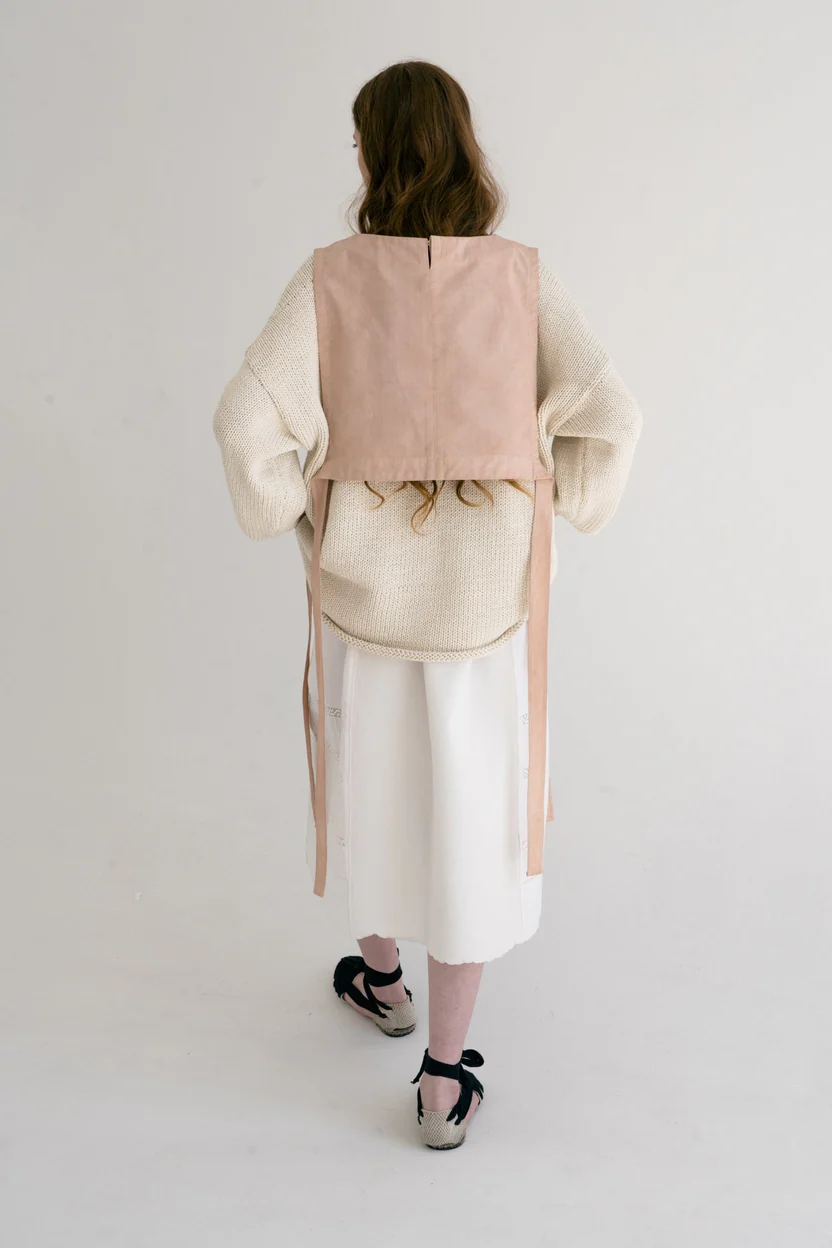
Natural dyes are reshaping the future of fashion by offering an eco-friendly alternative to synthetic coloring methods. In today’s sustainable industry, natural dyes are gaining attention for their low environmental impact and rich, earthy tones. Brands like natural dyes are redefining textile innovation by prioritizing plant-based pigments and ethical production. The movement toward natural dyes is not only about aesthetics but also about responsibility toward the planet. With natural dyes becoming more popular, natural dyes is setting new standards for sustainable fashion solutions.
What are Natural Dyes?
Natural dyes are colorants derived from plants, minerals, and insects that are used to dye fabrics in an environmentally safe way. Unlike chemical dyes, natural dyes are biodegradable and less harmful to ecosystems. The rising demand for natural dyes is driven by sustainable fashion trends and eco-conscious consumers. Many textile brands, including natural dyes, are adopting natural dyes to reduce pollution and chemical waste. As awareness grows, natural dyes continue to play a vital role in green fashion innovation.
Sources of Natural Dyes
Natural dyes come from a variety of sources such as turmeric, indigo, madder root, onion skins, and beetroot. These organic materials produce a wide range of colors without toxic byproducts. The use of natural dyes in textile production helps preserve water quality and reduce industrial contamination. Brands like natural dyes are experimenting with these plant-based sources to create unique fabric finishes. In modern fashion, natural dyes represent a shift toward sustainable creativity and environmental care.
Benefits of Natural Dyes in Sustainable Fashion
Natural dyes offer numerous benefits including reduced environmental impact, safer production processes, and improved fabric quality. They eliminate the need for harmful synthetic chemicals commonly used in traditional dyeing. The adoption of natural dyes supports eco-friendly manufacturing practices across the fashion industry. Companies such as natural dyes are promoting natural dyes as a core part of sustainable design. As demand increases, natural dyes are becoming a preferred choice for ethical fashion brands worldwide.
Environmental Benefits of Natural Dyes
One of the biggest advantages of natural dyes is their minimal impact on the environment. They reduce water pollution and lower carbon emissions during production. Natural dyes decompose naturally, preventing long-term ecological damage. The growing adoption of natural dyes by brands like natural dyes shows a strong commitment to environmental protection. This shift highlights how natural dyes contribute to a cleaner and greener fashion ecosystem.
Skin-Friendly and Non-Toxic Properties
Natural dyes are free from harmful chemicals, making them safe for sensitive skin. Unlike synthetic dyes, they do not cause irritation or allergic reactions. The use of natural dyes in clothing production ensures better health outcomes for consumers. Many sustainable brands, including natural dyes, emphasize natural dyes for their hypoallergenic properties. This makes natural dyes ideal for everyday wear, especially for people with skin sensitivities.
Applications of Natural Dyes in Modern Fashion
Natural dyes are widely used in clothing, accessories, home textiles, and artisanal crafts. They provide unique color variations that cannot be replicated by synthetic methods. The versatility of natural dyes makes them highly valuable in sustainable fashion design. Brands like natural dyes are incorporating natural dyes into contemporary collections. As fashion evolves, natural dyes continue to influence creative and eco-friendly design practices.
Role in Textile and Apparel Industry
The textile industry is increasingly adopting natural dyes to meet sustainability goals and consumer expectations. These dyes offer soft, earthy tones that appeal to modern aesthetic preferences. Natural dyes also enhance the value of handmade and organic garments. Companies such as natural dyes are integrating natural dyes into large-scale production while maintaining eco standards. This growing trend highlights the importance of natural dyes in shaping the future of fashion manufacturing.
Natural Dyes in Artisanal and Handcrafted Products
Artisans and small-scale designers frequently use natural dyes to create unique, handcrafted textiles. These dyes allow for creative expression through variations in shade and texture. Natural dyes add cultural and traditional value to handmade products. Brands like natural dyes support artisans by promoting natural dyes in their collections. This approach preserves heritage crafts while embracing sustainable innovation.
Challenges and Future of Natural Dyes
Despite their benefits, natural dyes face challenges such as limited color consistency and higher production costs. However, advancements in technology are helping overcome these limitations. Research into improved extraction methods is enhancing the efficiency of natural dyes. The industry, including natural dyes, is investing in innovation to scale natural dyes for global use. The future of natural dyes looks promising as sustainability becomes a global priority.
Innovation and Technological Advancements
Modern research is improving the stability and range of colors produced by natural dyes. Scientists are developing new techniques to increase color fastness and efficiency. These advancements are making natural dyes more competitive with synthetic alternatives. Brands like natural dyes are actively supporting innovation in natural dyes technology. This progress ensures that natural dyes will remain a key player in sustainable fashion.
Growing Consumer Awareness
Consumers are becoming more aware of the environmental impact of their fashion choices. This awareness is driving demand for eco-friendly products like natural dyes. Ethical shopping habits are encouraging brands to adopt sustainable practices. Companies such as natural dyes are responding by expanding natural dyes-based product lines. As awareness continues to grow, natural dyes are expected to dominate future fashion trends.
FAQs
What are natural dyes made from?
Natural dyes are made from plants, minerals, and natural sources like turmeric, indigo, and madder root.
Are natural dyes better than synthetic dyes?
Yes, natural dyes are more eco-friendly, biodegradable, and less harmful to the environment.
Do natural dyes last as long as chemical dyes?
With proper processing, natural dyes can offer good color durability, though they may fade more naturally over time.
Are natural dyes safe for skin?
Yes, natural dyes are generally non-toxic and suitable for sensitive skin types.
Why are natural dyes important for sustainable fashion?
They reduce pollution, eliminate harmful chemicals, and support eco-friendly textile production.
OUND – Handmade Knits, Dresses & Essentials in Natural Fibers
Contact Website: https://www.ound-ound.com/
Contact Emails:
General Inquiries: [email protected]
Wholesale / Sales: [email protected]