Understanding Prediction Markets
In an increasingly data-driven world, the demand for accurate forecasting has grown exponentially, leading to the innovative rise of рынки предсказаний. These platforms empower individuals to tap into collective insights for predicting outcomes of real-world events, leveraging the wisdom of crowds in an engaging and interactive manner. As we delve into the evolution of prediction markets, we will explore what defines their core characteristics and how they are reshaping decision-making across various sectors.

What Are Prediction Markets?
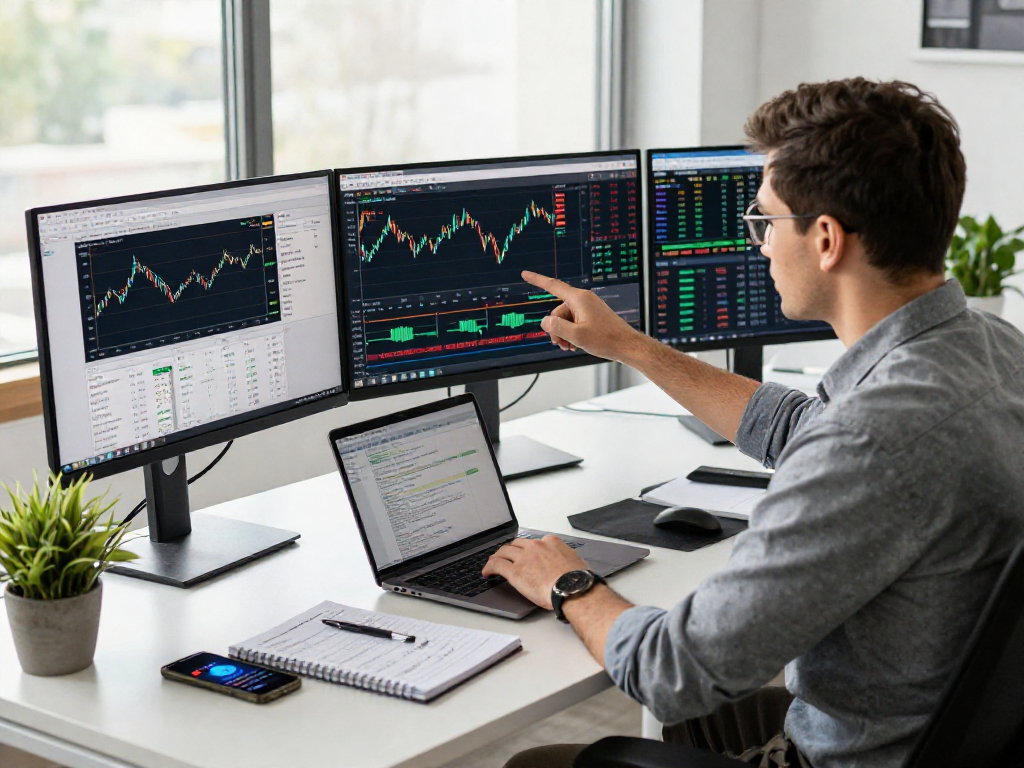
Prediction markets, often referred to as event markets, are platforms where participants can buy and sell shares that reflect their predictions on the outcomes of specific events. The price of the shares is indicative of the market consensus regarding the probability of that event occurring. For instance, if a significant portion of the market believes that a political candidate will win an election, the price of shares corresponding to that outcome will rise. This creates a dynamic environment where financial speculation meets intuitive forecasting.
The Evolution of Prediction Markets
Historically, prediction markets were niche platforms primarily utilized by data scientists and specialized traders. However, the advent of blockchain technology and mobile applications has democratized access, allowing broader participation. By 2026, platforms like Swipe1 have emerged, streamlining the user experience with mobile-first designs and game-like interfaces while breaking down barriers to entry for novice users. This shift has reflected in sharp increases in market volume, signaling a new era for how we predict outcomes.
Key Characteristics of Successful Platforms
- Accessibility: Platforms must prioritize user-friendly interfaces that appeal to both seasoned traders and newcomers.
- Transparency: Clear information about market mechanics, outcomes, and potential risks fosters trust among participants.
- Low Fees: Competitive pricing structures attract users to trade more frequently, as evidenced by the peer-to-peer model used by many platforms.
- Community Engagement: Features that promote social interaction and gamification can enhance user investment and experience.
How Swipe1 is Changing the Game
As a mobile-native prediction market, Swipe1 is at the forefront of making forecasting accessible and enjoyable for everyone. By integrating intuitive swipe gestures and gamification elements, Swipe1 has distinguished itself from traditional platforms. Its approach is designed to cater to everyday users rather than just seasoned traders, marking a significant paradigm shift in the рынки предсказаний.
Mobile-First Approach for All Users
Swipe1's innovative platform is built on the BNB Chain, ensuring rapid and low-cost transactions. Users can easily access the app via a Gmail or Web3 wallet login, which removes the complexities often associated with traditional trading platforms. This focus on a seamless user experience allows individuals to predict outcomes across various categories, such as sports, crypto, and politics, with just a swipe.
Engaging Community Features
The community aspect of Swipe1 is enhanced by features like leaderboards, where users can track their performance and earn points for their predictions. This engagement fosters a vibrant ecosystem where users are incentivized to participate regularly. The platform's mascot, SwipeBear, symbolizes this community spirit, making forecasting a social and relatable activity.
Comparison with Competitors like Kalshi and Polymarket
While Kalshi and Polymarket are established players in the prediction market landscape, they cater primarily to technical users and institutional investors. Kalshi, for example, generates significant volume through institutional transactions, often sidelining casual users. In contrast, Swipe1 facilitates a more casual engagement model, focusing on gamified interactions and community involvement, making it appealing to a broader audience.
Participating in Prediction Markets
Getting Started with Swipe1
New users can begin their forecasting journey on Swipe1 by simply downloading the app and creating an account. The initial steps are straightforward and designed to minimize barriers. Once onboard, users can participate in daily prediction challenges and track their community contributions through their Swipe1 Points, enhancing their overall experience.
Understanding Market Dynamics
Market dynamics within prediction platforms involve constant fluctuations based on user sentiment. As users submit their predictions, the collective data influences the pricing and probability of outcomes. This fluidic structure requires users to stay informed about ongoing events to make educated decisions about their predictions.
Strategies for Successful Predictions
To maximize their success in prediction markets, users should:
- Stay updated on current events and trends in their chosen categories.
- Engage with the community to gather diverse insights and opinions.
- Utilize available data and analytics tools provided by the platform to better understand market movements.
Benefits and Challenges of Using Prediction Markets
Advantages of Crowdsourced Predictions
One of the primary benefits of prediction markets is their ability to aggregate insights from a diverse set of participants. This crowd-sourced wisdom often leads to more accurate predictions than traditional methods. By allowing users to express their beliefs with a simple swipe, platforms like Swipe1 capitalize on this advantage effectively.
Potential Pitfalls and Misconceptions
Despite their advantages, prediction markets are not without risks. Users should be cautious of potential biases in the crowd, volatility due to low liquidity, and the impact of misinformation on market outcomes. Understanding these challenges is essential for making informed decisions.
Real-World Case Studies and Insights
For instance, during the 2024 US presidential elections, prediction markets accurately forecasted key outcomes ahead of time, showcasing their efficacy. Similarly, markets that measured sentiment around global economic indicators demonstrated significant utility for investors looking to make informed decisions based on crowdsourced insights.
The Future of Prediction Markets in 2026
Emerging Trends and Technologies
As we move further into 2026, prediction markets will likely leverage advancements in machine learning and artificial intelligence to enhance forecasting capabilities. These technologies can analyze patterns and predict outcomes with greater precision, thereby attracting more users to engage.
Regulatory Landscape and Opportunities
The regulatory environment surrounding prediction markets is evolving, with institutions recognizing them as credible trading platforms rather than mere gambling sites. As regulations become clearer, we may see increased institutional participation alongside a surge in retail user engagement.
How Users Can Benefit from Market Evolution
Users stand to gain substantially from the ongoing development of prediction markets. As accessibility improves and platforms become more user-friendly, everyday individuals will find new ways to engage with and profit from their opinions on real-world events.
What Are the Key Applications for Prediction Markets?
Prediction markets are versatile and can be applied across various sectors:
- Politics: Users can predict election results or major legislative outcomes.
- Finance: Markets can gauge economic indicators and corporate performance.
- Sports: Fans can forecast game outcomes and player statistics.
- Weather: Predictions about significant weather events can be made.
How Are They Utilized in Different Sectors?
Different industries are increasingly adopting prediction markets to harness their predictive power. For example, companies may use them internally for strategic decision-making or to gauge product interest before launch. In public policy, prediction markets could provide insights into public opinion trends, shaping future policymaking.