Understanding Prediction Markets: The Basics
Prediction markets have surged in popularity, particularly as people seek new methods to navigate uncertainty across various domains such as finance, sports, and politics. These platforms offer a unique opportunity for users to forecast outcomes on real-world events by leveraging the collective intelligence of the crowd. As we explore рынки предсказаний, it’s vital to understand what they are and how they function, as this knowledge is essential for anyone looking to engage in this innovative financial arena.
What Are Prediction Markets?
At their core, prediction markets, also known as betting markets or information markets, are platforms where individuals can buy and sell contracts based on the expected outcomes of future events. These platforms harness the insights of a diverse user base, allowing participants to gauge probabilities on everything from election results to cryptocurrency price movements.
How Do Prediction Markets Work?
Users participate in prediction markets by trading contracts tied to particular outcomes. When participants buy contracts that predict an event will occur, they essentially pool their knowledge and beliefs, creating a market price that reflects the consensus view of that outcome's likelihood. This crowd-sourced approach often leads to highly accurate predictions that have proven to outperform traditional forecasting methods.
The Role of Technology in Prediction Markets
Modern prediction markets are powered by sophisticated technological frameworks that enable seamless transactions, real-time data processing, and enhanced user experience. Utilizing blockchain technology, these platforms ensure transparency and security while significantly reducing transaction costs compared to traditional betting environments.
The Appeal of Mobile-Native Prediction Platforms
Why Mobile Experiences Matter in 2026
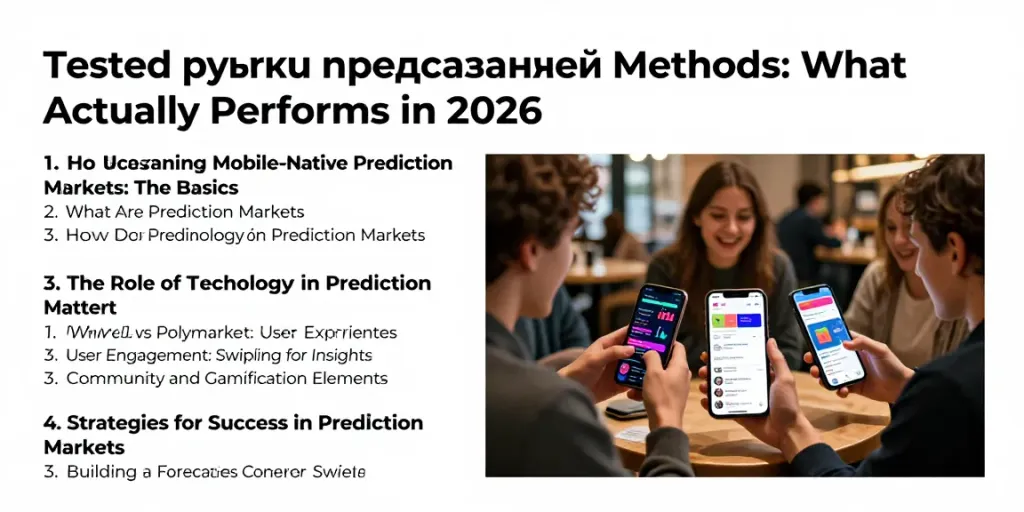
In an increasingly mobile-centric world, users demand accessibility and convenience. Mobile-native prediction platforms like Swipe1 cater to this need by providing an intuitive interface that allows for quick engagement. As people increasingly rely on their smartphones, the appeal of prediction markets lies in their ability to deliver real-time insights at the swipe of a finger.
User Engagement: Swiping for Insights
Swipe1 stands out from traditional platforms by embracing a mobile-first design, allowing users to express their predictions effortlessly through simple swipe gestures. This gamified approach not only enhances user engagement but also democratizes access to forecasting, making it suitable for casual users, not just seasoned traders.
Real-World Events Covered on Swipe1
The types of events covered by prediction markets are vast and varied. Swipe1 encompasses a wide range of categories, including:
- Sports (e.g., FIFA World Cup outcomes)
- Cryptocurrency price predictions (e.g., Bitcoin hitting $100K)
- Political elections (e.g., US Midterm Elections)
- Weather events (e.g., effects of El Nino)
This broad spectrum ensures that users can engage with topics that matter to them, fostering a community of informed predictors.
Comparing Swipe1 to Top Competitors
Swipe1 vs Polymarket: User Experience
While both Swipe1 and Polymarket operate within the prediction market sphere, they cater to different user demographics. Polymarket, known for its robust trading capabilities, appeals to cryptocurrency enthusiasts and traders looking for high-volume investment opportunities. On the other hand, Swipe1 simplifies the process, focusing on social interaction and intuitive engagement, which is ideal for everyday users.
Swipe1 vs Kalshi: Fee Structures and Access
Kalshi operates under a more traditional exchange model, imposing fees that can be higher than those found on Swipe1. The latter is designed to eliminate the complexities associated with trading, offering lower fees and a user-friendly experience that invites participation from individuals who may find conventional platforms intimidating.
Community and Gamification Elements
Community engagement is a cornerstone of both Swipe1 and its competitors; however, Swipe1 actively promotes a gamified environment. By rewarding users with Swipe1 Points for participation, the platform fosters a sense of community and friendly competition that enhances user retention and enjoyment.
Strategies for Success in Prediction Markets
Best Practices for New Users
For those new to prediction markets, starting with small stakes and familiarizing oneself with the platform's features is essential. Engaging with community insights, reading up on current events, and participating actively can enhance a user’s predictive accuracy over time.
Building a Forecasting Strategy
Successful forecasting in prediction markets often involves a combination of research, analysis, and risk management. Users should consider various factors that may influence outcomes—be it political trends or market sentiment—and adapt their strategies accordingly.
Leveraging Community Insights for Better Predictions
The collective wisdom of the community can be invaluable in prediction markets. Engaging with other users, following their predictions, and observing trending sentiments can provide insights that improve one’s own forecasting abilities.
The Future of Prediction Markets: Trends and Predictions
Market Growth and Adoption Rates
As more users recognize the value of prediction markets, growth appears inevitable. Reports indicate that global market volumes are skyrocketing, with major platforms recording unprecedented trading activity. This ongoing influx will likely lead to further innovations and an expanded user base.
Technological Innovations on the Horizon
Advancements in blockchain technology and mobile applications will continue to shape the prediction market landscape. Expect to see enhanced data analytics capabilities, AI-driven predictions, and even more intuitive user interfaces in the near future.
Regulatory Changes Impacting Predictions
As prediction markets gain popularity, regulatory scrutiny may increase. Understanding the evolving legal landscape will be crucial for users and platforms alike, as compliance with regulatory bodies like the CFTC becomes paramount.
What are the benefits of using prediction markets?
Prediction markets provide a platform for accurate forecasting, dynamic engagement, and democratized access to real-time insights. They harness the collective intelligence of users to deliver probabilities that can influence decision-making across various fields.
How can I participate in prediction markets?
Participation typically involves registering on a platform, creating an account, and engaging in buying and selling contracts based on predicted outcomes. Many platforms, including Swipe1, offer a user-friendly interface that simplifies this process.
What distinguishes mobile-native platforms from traditional ones?
Mobile-native platforms prioritize user experience on mobile devices, facilitating quick interactions via intuitive gestures and reducing barriers to entry for casual users. This distinguishes them from traditional platforms, which often require extensive training and familiarity with complex trading environments.
Are prediction markets considered gambling?
The classification of prediction markets can be complex, as they differ fundamentally from traditional gambling. Operating as peer-to-peer exchanges with lower fees and more regulated structures, prediction markets are increasingly viewed as legitimate forecasting tools rather than mere betting platforms.
What future trends should users watch for in 2026?
Looking ahead, users should focus on the growth of mobile-native experiences, the incorporation of advanced technologies, and potential regulatory changes that could further define the landscape of prediction markets. Staying informed about these developments is essential for maximizing participation and success in this evolving field.