Introduction to Astaxanthin
Astaxanthin is a fascinating carotenoid that has gained immense attention in both scientific research and wellness circles. Known for its vibrant red-orange color, this powerful antioxidant plays a critical role in nature and human health. In this article, we will explore where does astaxanthin come from, its sources in marine and terrestrial environments, its numerous health benefits, and the future of its production.
What is Astaxanthin?
Astaxanthin is a carotenoid pigment produced by various organisms, primarily in the marine environment. It belongs to a family of organic compounds known for their antioxidant properties. Unlike many other carotenoids, astaxanthin cannot be converted into vitamin A by the body; instead, it offers unique attributes that come with its esterified structure, enabling it to cross the blood-brain barrier.
Importance in Nature
In nature, astaxanthin serves various ecological functions. It enhances the reproductive performance of aquatic species and is essential in the diet of many marine animals. Moreover, its vibrant coloration plays a pivotal role in attracting mates and providing camouflage from predators. The natural world relies on astaxanthin for biological processes essential to survival.
Primary Sources of Astaxanthin
Astaxanthin is predominantly sourced from microalgae, crustaceans, and certain fish species. The most well-known producer of astaxanthin is the microalga Haematococcus pluvialis, which produces vast amounts when exposed to stress conditions such as UV light or nutrient deprivation. This microalga is often harvested for dietary supplements and cosmetics. Other significant sources include shrimp, krill, and salmon, which obtain astaxanthin through their diets—enhancing their color and providing essential nutritional benefits.
Where Does Astaxanthin Come From in the Ocean?
Marine Origins and Habitats
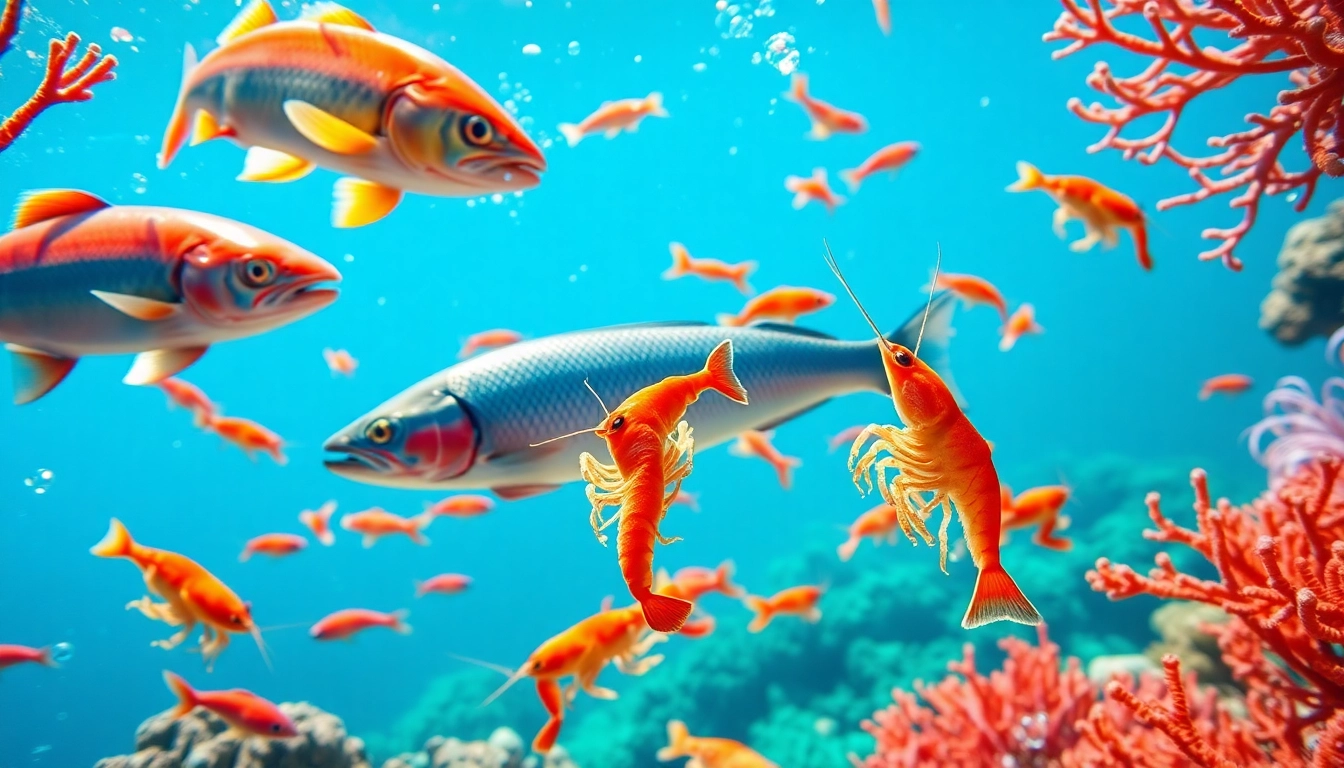
Astaxanthin’s primary source in the ocean is from microalgae, particularly Haematococcus pluvialis, often found in freshwater and marine environments. Larger marine organisms, such as krill and salmon, accumulate astaxanthin after consuming these algae. Diverse marine ecosystems, including coral reefs and open waters, provide the ideal habitat for astaxanthin-producing organisms to thrive.
Role in Marine Food Chains
In aquatic food chains, astaxanthin has a pivotal role. Phytoplankton (mainly microalgae) forms the base of the marine food web. When zooplankton, like krill, consume phytoplankton, they accumulate astaxanthin, which in turn benefits larger fish and marine mammals that prey on them. This transfer of nutrients, including astaxanthin, helps sustain various marine animals, but also offers protective benefits, aiding in their health and immune response.
Environmental Factors Affecting Production
The production of astaxanthin in marine environments can be influenced by various environmental factors. Light exposure, nutrient availability, and temperature are critical for the growth of Haematococcus pluvialis. Additionally, ecosystem changes due to climate change, pollution, and overfishing can significantly impact the abundance of astaxanthin-producing organisms, affecting the entire food web.
Where Does Astaxanthin Come From on Land?
Plants That Produce Astaxanthin
On land, astaxanthin is found in specific botanical species, notably in some green algae and certain plants like the red yeast rice. Unlike its marine counterparts, terrestrial sources of astaxanthin are less common but still vital for diversifying dietary intake. Land plants generally produce lower quantities of astaxanthin compared to marine sources, making these biodiversity-rich ecosystems essential for research and potential health applications.
Comparison Between Marine and Plant Sources
The primary difference between marine and plant sources of astaxanthin lies in the concentration and bioavailability. Marine sources typically contain higher concentrations of astaxanthin; additionally, the antioxidant properties are enhanced in aquatic environments, as many marine organisms extract astaxanthin from microalgae. In contrast, terrestrial plant sources are often more variable in astaxanthin content and may require specific processing methods to maximize extraction.
Harvesting Astaxanthin from Natural Sources
Harvesting astaxanthin from natural sources involves meticulous processes, especially from microalgae. Techniques like centrifugation and extraction with organic solvents are commonly used to separate astaxanthin from algal biomass. For terrestrial sources, methods may include solvent extraction or supercritical fluid extraction — each with its advantages and limitations regarding yield and purity. Sustainable harvesting practices are essential to ensure the longevity of these valuable organisms and ecosystems.
Health Benefits of Astaxanthin
Antioxidant Properties
One of the most remarkable attributes of astaxanthin is its exceptional antioxidant capacity, surpassing that of many other common antioxidants, such as vitamin C. This ability helps protect cells from oxidative stress and damage caused by free radicals, supporting overall health. Studies have indicated that astaxanthin can improve skin health, enhance energy metabolism, and reduce inflammation—a vital factor in chronic disease prevention.
Potential Health Applications
Astaxanthin has emerged as a potential natural remedy for several health concerns, including cardiovascular health, eye protection, and athletic performance. Researchers are exploring its use in supplements aimed at reducing inflammation and improving recovery. Moreover, as a skin protector against UV rays, astaxanthin is gaining ground in the skincare space, with many organic skincare formulations now incorporating this potent antioxidant.
Scientific Studies Supporting Benefits
Numerous scientific studies have investigated the health benefits of astaxanthin. Research indicates that it can enhance immune function, support gut health, and improve skin elasticity. Some clinical trials have shown that astaxanthin can reduce the risk factors related to metabolic syndrome. Ongoing studies are essential to further understand the wide-ranging potential of this compound in health and nutrition.
Future of Astaxanthin Production
Advancements in Cultivation Techniques
With the increasing demand for astaxanthin in supplements and nutraceuticals, advancements in cultivation techniques are underway. Innovations in bioreactor technology and controlled-environment cultivation are enhancing the efficiency and yield of astaxanthin production. Sustainable practices that reduce waste and environmental impact are also becoming a focus, allowing for higher outputs without compromising ecological integrity.
Market Trends and Demands
Market trends indicate a growing consumer interest in natural and plant-based supplements. This shift is driving demand for astaxanthin across various sectors, including cosmetics, dietary supplements, and functional foods. The popularity of wellness and nutrition products has positioned astaxanthin as a sought-after ingredient, leading to increased investments in research and production capabilities.
Sustainability Considerations
As demand for astaxanthin rises, sustainability remains a crucial consideration. Ensuring responsible harvesting methods and promoting aquaculture practices can help balance the needs of production and environmental health. Additionally, developing synthetic or lab-grown options could provide alternatives that meet market demands while protecting natural ecosystems. Sustainability in astaxanthin production is paramount to ensure its availability for future generations.
FAQs About Astaxanthin
What is the best source of astaxanthin?
The best sources of astaxanthin are microalgae, particularly Haematococcus pluvialis, and seafood like salmon and krill, which derive astaxanthin from their diet.
Can astaxanthin help with skin health?
Yes, astaxanthin is known for its skin-protective properties against UV rays and environmental damage, improving skin elasticity and reducing wrinkles.
Is astaxanthin safe to take as a supplement?
Current research suggests that astaxanthin is generally safe for consumption in moderation as a dietary supplement, but it's wise to consult a healthcare provider.
What health benefits does astaxanthin provide?
Astaxanthin is recognized for its antioxidant properties, potential to reduce inflammation, and benefits for heart health, skin health, and athletic performance.
How is astaxanthin harvested?
Astaxanthin is harvested primarily from microalgae through methods such as centrifugation and solvent extraction, ensuring sustainability in practices.