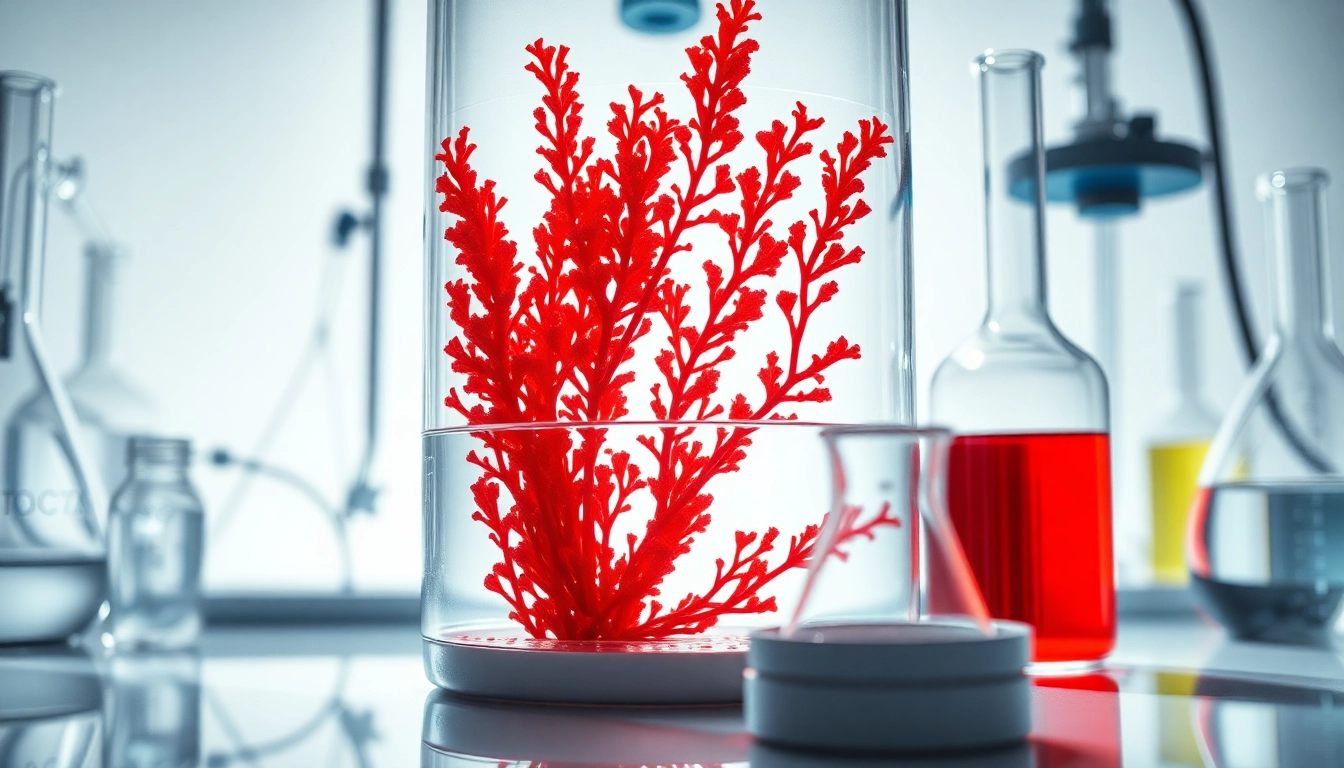
Introduction to Astaxanthin
Astaxanthin is gaining traction in the health and wellness arena, touted as one of nature's most powerful antioxidants. Found primarily in various marine organisms, this carotenoid not only contributes to the rich color of salmon, shrimp, and flamingos but also offers a plethora of health benefits. To truly appreciate its value, one must delve into the origins and applications of astaxanthin. For more detailed insights, we explore where does astaxanthin come from and its significance in human nutrition.
What is Astaxanthin?
Astaxanthin is a keto-carotenoid belonging to a family of antioxidants called carotenoids. It is recognized for its vibrant red and orange pigment, which is vital in photosynthesis and other biological processes. Astaxanthin is unlike many other antioxidants; it enhances the body's immune response, combats oxidative stress, and has potential anti-inflammatory properties.
Benefits of Astaxanthin
The health benefits of astaxanthin are vast and promising. Some key advantages include:
- Antioxidant Power: Astaxanthin outshines many other antioxidants, offering protection against free radicals and oxidative damage.
- Anti-inflammatory Properties: It may help reduce inflammation, contributing to overall health improvement and longevity.
- Skin Health: Astaxanthin is believed to protect the skin from UV damage, promoting skin elasticity and hydration.
- Vision Support: Studies suggest that astaxanthin might benefit eye health by reducing eye strain and protecting against age-related eye diseases.
- Muscle Endurance: Some athletes use astaxanthin to enhance their endurance and recovery from exercise-related stress.
Natural Sources of Astaxanthin
Astaxanthin can be found in various natural sources, primarily within aquatic environments. It derives from microalgae, yeast, and certain plants. Here are key sources:
- Microalgae: The primary source is a microalga known as Haematococcus pluvialis, renowned for its high astaxanthin content.
- Shellfish and Salmon: Creatures such as shrimp, crab, and salmon absorb astaxanthin through their diet, which gives them their distinct color.
- Flamingos: Their pink hue is a direct result of high astaxanthin in their diet of algae and crustaceans.
Where Does Astaxanthin Come From? Exploring its Origins
Aquatic Sources
The most significant sources of astaxanthin are found in aquatic settings. Microalgae, particularly Haematococcus pluvialis, are the richest sources and are cultivated for commercial purposes. These microalgae produce astaxanthin in response to stressors such as intense light, salinity, and nutrient deprivation. Shellfish and fish build up astaxanthin in their systems through their feeding on these algae.
Other Natural Sources
Besides marine life, some land-based sources contribute to astaxanthin levels, albeit in lower concentrations. Certain types of yeast, most notably Phaffia rhodozyma, can produce astaxanthin and are sometimes used in animal feed. Additionally, plants like red bell peppers and tomatoes contain carotenoids, including lower amounts of astaxanthin.
The Biological Process
The biological synthesis of astaxanthin involves intricate biochemical reactions. Microalgae first convert sunlight into chemical energy through photosynthesis, producing oxygen and carbohydrates. The carotenoid pathway then leads to the formation of astaxanthin, which serves as a strong protective agent against environmental stressors. This process too illustrates the evolutionary adaptation of these organisms, allowing them to thrive in varied conditions.
How Astaxanthin is Extracted
Extraction Methods
To harness the benefits of astaxanthin, extraction methods are essential. Common extraction techniques include:
- Supercritical CO2 Extraction: This method uses supercritical carbon dioxide to extract astaxanthin efficiently while preserving its properties.
- Solvent Extraction: Organic solvents can also be utilized to extract astaxanthin, although this method may introduce impurities.
- Cold Pressing: For certain sources, cold pressing is an effective means of extraction, ensuring minimal heat damage and maintaining antioxidant potency.
Purity and Quality Control
Ensuring the purity of extracted astaxanthin is paramount for health applications. Quality control measures involve rigorous testing for contaminants and potency. Reputable laboratories use chromatographic methods to verify the concentration of astaxanthin and check for unwanted substances, ensuring safety for consumers.
Applications in Industry
The versatility of astaxanthin extends to various industries, including:
- Nutraceuticals: Astaxanthin is often found in dietary supplements aimed at enhancing health and wellness.
- Cosmetics: The skincare industry incorporates astaxanthin for its skin-protective properties, offering lotions and creams that promote skin health.
- Animal Feed: Aquaculture utilizes astaxanthin to enhance the pigmentation and nutritional value of fish and shrimp.
Astaxanthin’s Role in Health and Nutrition
Antioxidant Properties
The antioxidant potential of astaxanthin is of significant interest to researchers and health enthusiasts. It surpasses other antioxidants by effectively neutralizing free radicals in the body. This capability mitigates cellular damage, showing promise in preventing conditions associated with oxidative stress, such as chronic diseases and aging-related ailments.
Skin and Eye Health
Astaxanthin has a profound impact on skin health, primarily by protecting against UV radiation. Its anti-aging properties help reduce the appearance of fine lines and wrinkles, offering a natural solution for skin rejuvenation. Additionally, astaxanthin is shown to support eye health by improving visual acuity and reducing fatigue, particularly significant for individuals exposed to screens for prolonged periods.
Potential in Disease Prevention
Emerging research suggests that astaxanthin may play a role in preventing various diseases. Its anti-inflammatory properties demonstrate potential benefits in mitigating cardiovascular diseases, diabetes, and certain cancers. Ongoing studies are assessing the direct implications of astaxanthin consumption in these areas, paving the way for future nutritional recommendations.
Conclusion and FAQs
In conclusion, astaxanthin represents a remarkable natural compound with wide-ranging health benefits. Its origins and extraction methods highlight the comprehensive understanding necessary for leveraging its potential. As research progresses, astaxanthin promises to become increasingly significant in dietary practices aimed at illness prevention and overall health optimization.
Common Questions About Astaxanthin
- What is astaxanthin? Astaxanthin is a powerful antioxidant derived primarily from microalgae, contributing to the vibrant colors of various marine life.
- How can I incorporate astaxanthin into my diet? Astaxanthin can be consumed through supplements or by eating foods rich in it, such as salmon and other seafood.
- Is astaxanthin safe? Yes, astaxanthin is generally considered safe for consumption and is well-tolerated when taken as directed in supplements.
- What are the side effects of astaxanthin? Few side effects may occur, including a slight change in skin coloration or digestive upset, but severe reactions are rare.
- Does astaxanthin have benefits for athletes? Yes, many athletes take astaxanthin to enhance endurance and reduce recovery time after intense workouts.