Understanding Cryptocurrency Mining
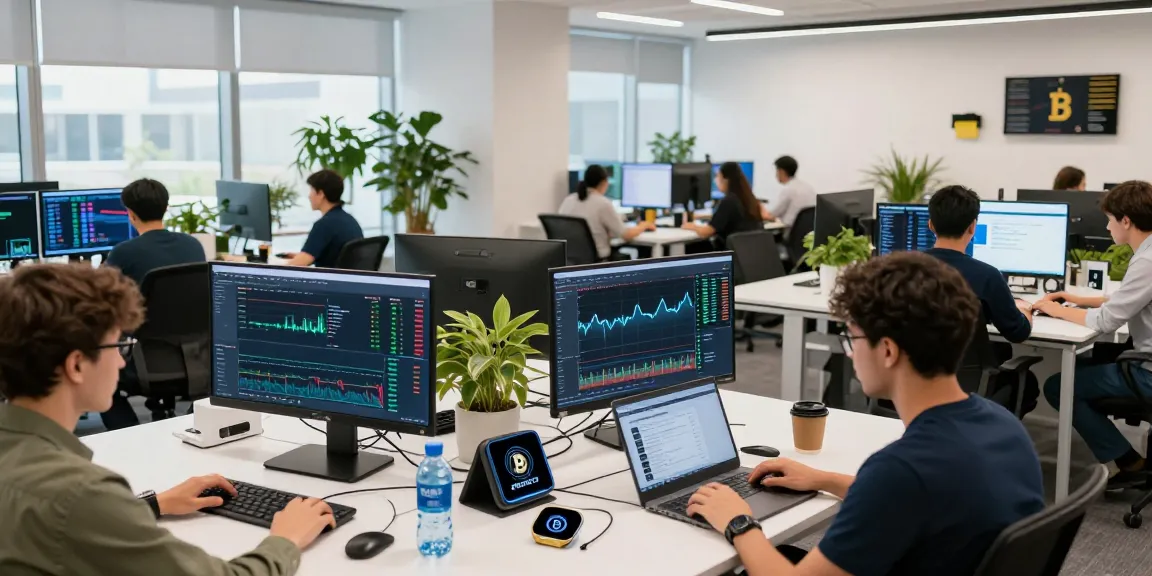
Cryptocurrency mining plays a pivotal role in the blockchain ecosystem, serving as the backbone that validates transactions and supports network integrity. As blockchain technology evolves, so does the complexity and efficiency of mining. Innovations such as Proof of Stake (PoS) and the introduction of eco-friendly mining practices reflect the industry’s responsiveness to both technological advancements and regulatory pressures. This article will explore various facets of crypto mining, including its definitions, types, setup requirements, and future trends, while maintaining a strong focus on security and regulatory compliance.
What is Crypto Mining?
Crypto mining refers to the process by which transactions are verified and added to the public ledger, known as the blockchain. In this decentralized framework, miners use specialized hardware to solve complex mathematical problems, also known as hashing, which requires substantial computational power. Successfully solving these problems allows miners to add new blocks to the blockchain, earning rewards in the form of the cryptocurrency being mined. This process not only helps secure the network but also facilitates the release of new coins into circulation.
Types of Mining Operations
There are several types of mining operations, primarily categorized into three main approaches: Solo Mining, Pooled Mining, and Cloud Mining.
- Solo Mining: Involves an individual miner operating independently, utilizing their own hardware and resources to solve blocks. While it offers greater rewards per block, it is less likely to be profitable due to increasing difficulty levels in major networks like Bitcoin.
- Pooled Mining: Miners combine their resources in mining pools, sharing computational power and rewards based on contributions. This method increases the likelihood of solving blocks and earning consistent payouts.
- Cloud Mining: This approach allows users to rent mining power from third-party providers without the need for physical hardware. It mitigates risks associated with electricity costs and hardware maintenance, making it accessible for beginners.
How Mining Supports Blockchain Networks
Mining serves as a consensus mechanism for various blockchain networks. In Proof of Work (PoW) systems, miners validate transactions by solving cryptographic puzzles, affirming the integrity of the blockchain. This process promotes decentralization, as multiple validators work independently, reducing the risk of manipulation. Additionally, the inherent difficulty adjustments in mining ensure that new blocks are created in a controlled manner, fostering stability in the network.
Setting Up Your Mining Rig
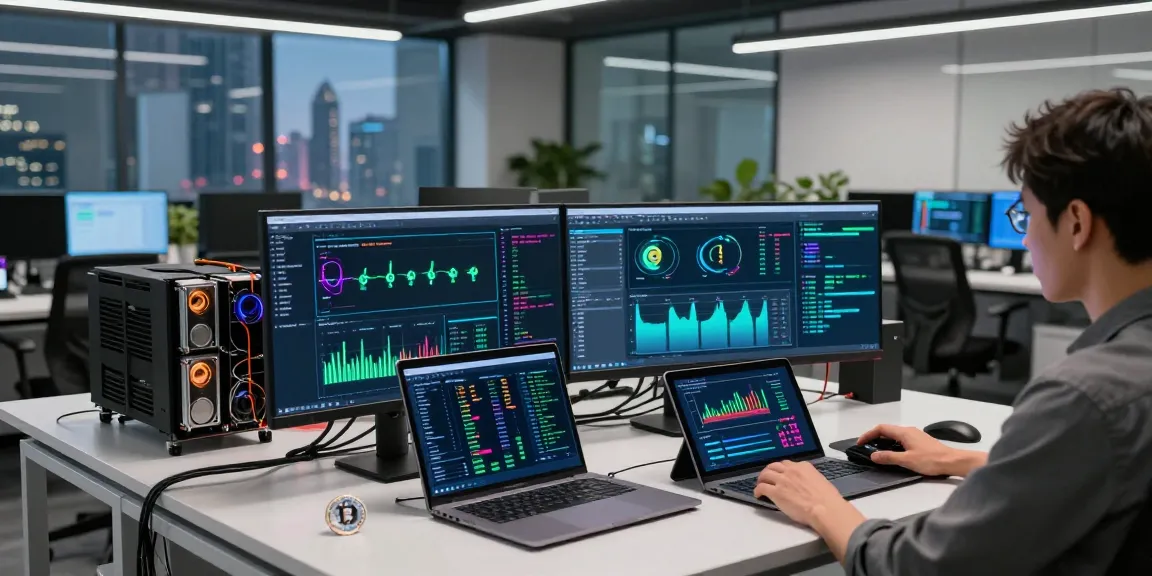
When considering a crypto mining service, it’s essential to understand the hardware and software requirements needed for an efficient mining setup. Selecting the right components can significantly impact your mining success and profitability.
Essential Hardware and Software for Mining
To start mining effectively, you’ll need specific hardware configurations which may include:
- ASIC Miners: Application-Specific Integrated Circuits are tailored for specific cryptocurrencies, offering peak efficiency and hash rate.
- GPUs: Graphics Processing Units are commonly used for altcoin mining, providing versatility across different protocols.
- Mining Software: Various options such as CGMiner, BFGMiner, and NiceHash optimize hardware performance and connect miners to the blockchain.
Energy Efficiency in Mining Operations
Energy consumption is a critical concern in mining. Optimizing power usage not only decreases operational costs but also addresses environmental implications. Strategies include:
- Utilizing energy-efficient mining hardware capable of higher hash rates with lower power consumption.
- Implementing renewable energy sources, such as solar or wind power, to reduce carbon footprint.
- Maximizing cooling solutions to enhance performance while minimizing energy use.
Location Considerations for Mining
The geographical location of your mining operation can significantly affect profitability. Key factors include:
- Electricity Rates: Miners should seek regions with lower energy costs to enhance profit margins.
- Climate: Cooler climates can reduce cooling expenses and improve hardware efficiency.
- Infrastructure: Access to stable internet connections and reliable energy supplies is vital for sustained operations.
Choosing the Right Crypto Mining Service
Selecting an appropriate mining service can drastically impact your success in the cryptocurrency space. With several providers available, assessing features and trustworthiness is crucial.
Key Features to Look For
When evaluating a crypto mining service, consider the following:
- Hash Rate: A higher hash rate indicates the processing power of the service, which translates to greater chances of mining rewards.
- Profitability: Evaluate the fees involved and the expected return on investment (ROI) for different services.
- Contract Terms: Understand the duration and renewal options of mining contracts to align with personal investment strategies.
Comparing Hosting Services
It’s essential to meticulously compare hosting services based on their security features, user reviews, and customer support. Services like Compass Mining, Blockware Solutions, and NiceHash have established themselves as leaders in the industry, each offering unique advantages.
User Reviews and Community Insights
Engagement with the mining community can reveal invaluable insights into service performance and reliability. User reviews, forum discussions, and social media posts often highlight common experiences, potential pitfalls, and success stories that are critical in making informed decisions.
Maximizing Returns from Mining
To maximize mining profitability, it’s crucial to adopt strategic practices that enhance returns while navigating potential challenges in the volatile cryptocurrency market.
Understanding Mining Profitability
Profitability in mining is influenced by several factors, including:
- Cryptocurrency market prices, which fluctuate frequently.
- Network difficulty level, which adjusts based on total mining power.
- Operational costs like electricity, hardware depreciation, and maintenance.
Tax Implications of Mining Earnings
It is imperative to understand the tax obligations associated with mining rewards, which is classified as taxable income in many jurisdictions. Tracking both earnings and expenses accurately will ensure compliance and facilitate reporting on tax returns.
Long-term versus Short-term Mining Strategies
Deciding between long-term holding of mined coins versus short-term selling requires careful consideration. Long-term strategies may yield enhanced returns if market conditions are favorable, while short-term strategies provide liquidity to reinvest in hardware or other cryptocurrencies.
Future Trends in Crypto Mining
The crypto mining landscape is constantly evolving, with emerging trends focusing on sustainability and technological advancements paving the way forward.
Impact of Renewable Energy on Mining
The rising concern about environmental impacts has driven miners towards renewable energy sources, promoting a more sustainable approach to powering mining operations.
Technological Advancements in Mining Equipment
Continuous advancements in ASIC and GPU technology aim to enhance hash rates while reducing power consumption. Next-generation hardware and more efficient cooling solutions will make mining less resource-heavy.
Regulatory Changes Affecting Crypto Mining
As governments around the world are beginning to implement stricter regulations on cryptocurrencies, miners must stay informed about compliance requirements, operational sustainability, and legal responsibilities. Understanding regulations will be crucial to succeeding in 2026 and beyond.
What is the best cryptocurrency to mine?
Determining the best cryptocurrency to mine involves assessing market conditions, mining difficulty, and hardware capabilities. Bitcoin remains a popular choice, but altcoins like Ethereum may provide opportunities depending on energy costs and potential growth.
Is mining still profitable in 2026?
Profitability in mining will continue to depend on numerous variables, including advancements in mining equipment, energy costs, and cryptocurrency price fluctuations. Miners must remain agile, adapting to market conditions and technological trends.
How to secure your mining setup?
Securing your mining operation involves several practices: using strong passwords, enabling two-factor authentication (2FA), utilizing hardware wallets for earnings, and avoiding sharing sensitive information like seed phrases or private keys.
What are the environmental impacts of mining?
The environmental implications of mining primarily include high energy consumption and electronic waste. Transitioning to renewable energy sources can considerably mitigate these risks, making mining more sustainable.
Are there tax benefits for miners?
While mining is generally taxable, there may be deductions available for equipment, electricity costs, and operational expenses. Consult a tax advisor to ensure compliance and optimize tax strategies.