
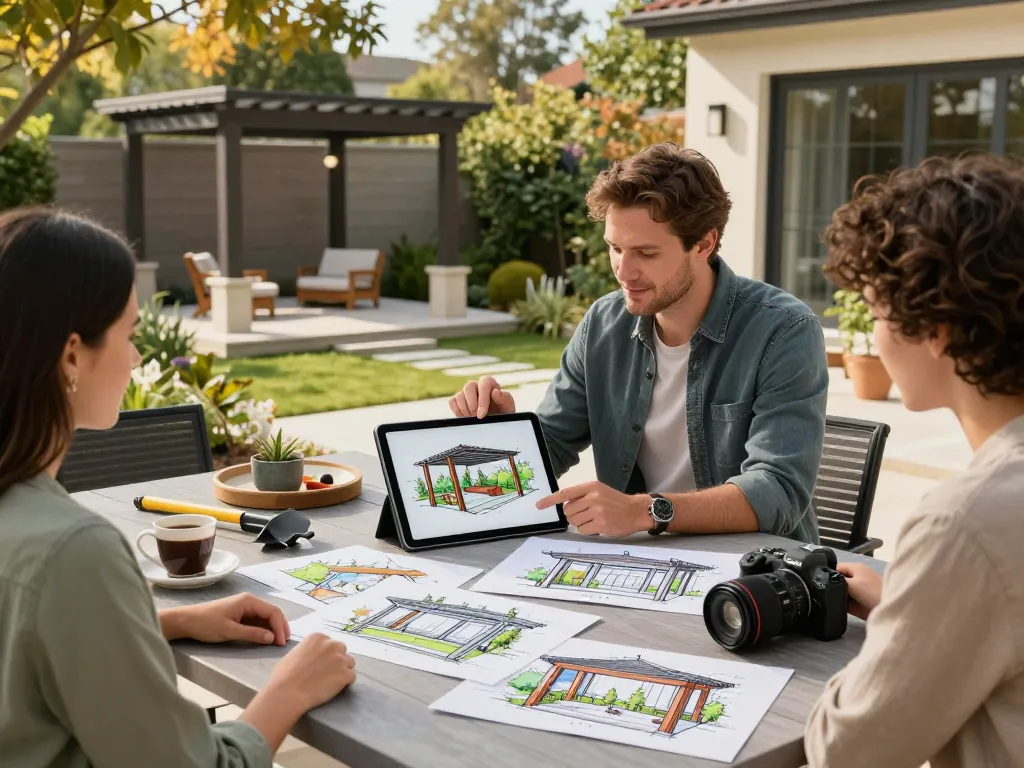
Understanding Pergola Configurator Software
Pergola configurator software serves as a groundbreaking tool for designing, pricing, and managing custom outdoor structures. This innovative technology allows garden designers, contractors, and homeowners to visualize their projects clearly before any physical construction begins. By leveraging advanced features such as 3D modeling, real-time adjustments, and automation, this software transforms the way outdoor spaces are conceptualized and realized. When exploring options, Pergola Configurator Software provides comprehensive insights that can help you streamline the design process significantly.
What is a Pergola Configurator?
A pergola configurator is an interactive tool specifically designed to help users create detailed models of pergolas and related structures in a digital environment. These applications incorporate various customizable features, allowing users to select dimensions, materials, styles, and accessories. The configurator serves both aesthetic and functional purposes, enabling users to experiment with different configurations to see how their design will ultimately appear in the real world. With the aid of 3D visualization, users can gain a more realistic understanding of how their selected options will look, ensuring that they make informed decisions regarding their purchases.
Key Features of Modern Software
- 3D Visualization: Provides a realistic view of the selected design.
- Real-Time Configuration: Adjust designs on-the-fly during client presentations.
- Instant Pricing: Offers accurate cost estimates based on selected options.
- Branded PDF Quotes: Generates professional quotes that can be presented to customers.
- Integration with CRM: Combines customer relationship management tools for better tracking.
Benefits for Garden Designers and Contractors
The advantages of using pergola configurator software are numerous. For garden designers and contractors, this tool not only enhances customer engagement but also streamlines the sales process. A highly interactive design process allows designers to present different options in real-time, making it easier for clients to visualize their choices. Additionally, with functionalities such as automated follow-ups, task assignment, and scheduling, businesses can maintain organization and improve customer satisfaction levels. In essence, these benefits lead to a more efficient workflow and a higher rate of project success.
Why Use 3D Configurators for Your Projects?
In today’s fast-paced market, leveraging 3D configurators is essential for staying ahead. These tools facilitate enhanced customer engagement through captivating visualizations. Gone are the days when potential customers had to rely solely on 2D drawings or verbal descriptions; modern configurators give them a chance to see their vision come to life in three dimensions.
Enhancing Customer Engagement through Visualization
One of the primary advantages of 3D configurators is their ability to improve customer engagement. Users can interact with models, rotate them, and alter various aspects in real-time, making it easier for them to grasp the full scope of the project. This level of interaction fosters a collaborative atmosphere, increasing the likelihood of a successful sale. Moreover, customers often feel more invested in the project as they can see their ideas materialize before their eyes.
Real-Time Design Adjustments
Another key feature of 3D configurators is the capability for real-time design adjustments. Designers can modify colors, materials, and dimensions instantly during customer meetings, allowing for immediate feedback and changes. This adaptability not only saves time but also enhances customer satisfaction, as clients can visualize their ideal pergola without delays.
Streamlining the Sales Process
The integration of 3D configurators into the sales process simplifies and speeds up workflows. Sales representatives can efficiently generate professional quotes directly from the configurator, reducing the time spent on paperwork. Moreover, automation features help manage follow-ups and reminders, ensuring that no leads go cold. This streamlined process minimizes the potential for errors and enhances communication between the buyer and seller.
Integrating Automation and Project Management
The modern pergola configurator is not just a design tool; it also incorporates essential project management functionalities. This integration ensures that users can manage the entire project lifecycle within one platform, from design and pricing to installation and follow-ups.
Combining CRM with Configuration Tools
By combining Customer Relationship Management (CRM) tools with configurator software, businesses can keep track of customer interactions and preferences seamlessly. This integration allows for personalized communication based on past interactions, improving customer relationships and satisfaction. Each time a customer makes a change to their design, the configurator updates their preferences in the CRM, ensuring that future interactions are informed and relevant.
Tracking Project Progress Effectively
Project management capabilities within the configurator allow teams to track progress from the initial design stage all the way to installation. Features such as task assignments, timelines, and progress monitoring ensure that deadlines are met and that everyone involved in the project is on the same page. This visibility helps prevent miscommunication and project mishaps, ultimately leading to smoother operations.
Measurement and Performance Metrics
Moreover, integrated measurement and performance metrics are essential for evaluating project success. Through analytics, users can derive insights into project timelines, customer satisfaction ratings, and sales conversions. These metrics help businesses identify areas for improvement, adapt their strategies, and optimize their service offerings for greater success in future projects.
Real-World Applications and Success Stories
Various companies have successfully implemented pergola configurator software, resulting in impressive transformations in their business operations. These success stories can inspire others to adopt similar tools and reap the numerous benefits associated with them.
Case Studies of Successful Implementations
Consider a leading garden design firm that integrated a pergola configurator into their workflow. Initially facing challenges with customer visualization and project management, they turned to 3D software to address these issues. Post-implementation, the company reported a 30% increase in project conversions and a significant reduction in the time spent on revisions and follow-ups. The ease of real-time adjustments and instant pricing proved invaluable, setting the stage for their overall success.
Feedback from Satisfied Users
Satisfaction among users of pergola configurator software often reflects the advantages of employing such tools. Many contractors report a marked improvement in client interactions and heightened customer satisfaction levels. The ability to showcase designs in 3D and provide immediate pricing has transformed their sales approach, leading to better retention rates and increased referrals.
Common Challenges and How to Overcome Them
While there are numerous advantages associated with pergola configurator software, some challenges may arise. For instance, initial user training and adaptation can be cumbersome. To overcome this, companies should invest in comprehensive training sessions and ongoing support, ensuring that all team members feel confident in using the software. Additionally, focusing on continuous improvement and feedback can help refine processes to better meet user needs.
Future Trends in Pergola Configurator Software
The future of pergola configurator software looks promising, with emerging technologies and trends set to reshape how outdoor structures are designed and sold. As the industry evolves, so too will the tools and technologies that support it.
Emerging Technologies in Outdoor Design
Recent advancements, such as augmented reality (AR) and virtual reality (VR), are finding their way into the landscape design sphere. These technologies can provide users with an even more immersive experience, allowing them to visualize their pergola within their actual outdoor space before making a final decision. Such innovations can help bridge the gap between conceptualization and reality, enhancing customer satisfaction significantly.
Customization and User Experience Enhancements
As user expectations grow, configurator software will likely focus on customization capabilities and user experience enhancements. This includes more intuitive interfaces, expanded options for personalization, and improved accessibility across various devices. The aim will be to create a seamless experience for users, making it easier and more enjoyable to design outdoor structures.
Predictions for 2026 and Beyond
Looking toward 2026 and beyond, we can anticipate further integration of artificial intelligence (AI) and machine learning into configurator software. These technologies could analyze user behavior to offer tailored recommendations and streamline the design process even more. Companies that embrace these innovations may gain a competitive edge by providing faster, more personalized services to their clients.
What features should I look for in a Pergola Configurator Software?
When selecting pergola configurator software, it is essential to prioritize features such as 3D visualization, real-time design changes, and automated quote generation. Additionally, look for software that integrates well with existing project management and CRM tools for a holistic workflow.
How does 3D configuration enhance the design process?
3D configuration enhances the design process by providing users with a realistic visualization of their projects. This capability allows for immediate adjustments and a more collaborative experience, improving overall customer satisfaction.
Can Pergola Configurator Software be used for other structures?
Yes, many pergola configurator software solutions can be adapted for other outdoor structures, such as gazebos, garden rooms, and verandas, offering versatility for various design needs.
What are the cost implications of using configurator software?
While there may be initial investment costs associated with implementing configurator software, the long-term savings in time and resources, along with improved sales conversion rates, can outweigh these expenses.
How can I transition from traditional design methods to using software?
Transitioning from traditional design methods to software-based solutions involves investing in training for your team, gradually phasing out old practices, and integrating the software into your daily operations. Emphasizing the benefits and gathering user feedback can further facilitate this change.