- Understanding Blockchain Technology Fundamentals
- Cryptocurrency Trading and Technical Analysis
- DeFi Protocols and Yield Farming Explained
- Wallet Security and Private Key Management
- Smart Contracts and Their Applications
- Regulatory & Legal Compliance
- Security Threats & Risk Management
- Content Quality & Depth
- Conclusion
Understanding Blockchain Technology Fundamentals
Blockchain technology has been at the forefront of financial innovation, offering a plethora of possibilities that were previously unimaginable. It provides a unique way to store data in a decentralized manner, utilizing cryptographic principles to enhance security and transparency. This paradigm shift has not only given birth to cryptocurrencies but has also laid the groundwork for decentralized applications (dApps), smart contracts, and innovative financial instruments that have revolutionized sectors ranging from banking to supply chain management. As we delve into the intricate details of blockchain and its various applications, understanding the fundamentals becomes crucial, especially for investors looking to capitalize on emerging opportunities in tokens and stock prices such as the hcnwf stock price.
What is Blockchain and How It Works?
At its core, blockchain is a distributed ledger technology (DLT) that allows for the secure and transparent recording of transactions across a network of computers. The structure of a blockchain consists of blocks that contain transaction data, cryptographic hashes of previous blocks, and a timestamp. This chaining of blocks ensures that once a block is added to the chain, it cannot be altered without affecting all subsequent blocks, thus providing immutability.
Types of Cryptocurrencies and Their Use Cases
There are various types of cryptocurrencies, each designed to serve different purposes. Payment cryptocurrencies like Bitcoin (BTC) and Litecoin (LTC) are primarily used as mediums of exchange. On the other hand, smart contract platforms such as Ethereum (ETH) and Cardano (ADA) enable the deployment of dApps and automation of processes through self-executing contracts. Stablecoins, like USDT and DAI, provide price stability against fiat currencies, while privacy coins such as Monero (XMR) focus on enhancing user anonymity. Understanding these distinctions is vital for investors as they navigate the cryptocurrency landscape.
Decentralization and Security in Blockchain Networks
The decentralization aspect of blockchain is one of its most significant advantages, allowing multiple participants (or nodes) to validate transactions without the need for a central authority. Each node possesses a copy of the entire blockchain, which increases resilience against failures and attacks. Consensus mechanisms such as Proof of Work (PoW) and Proof of Stake (PoS) play critical roles in achieving agreement on the network regarding the state of the ledger, thereby ensuring security and integrity.
Cryptocurrency Trading and Technical Analysis
As the popularity of cryptocurrencies grows, so does the interest in active trading and investment strategies. Understanding market dynamics, charting techniques, and various indicators can significantly enhance trading effectiveness. Among the significant stocks worth considering in this growing market is HCNWF, which has shown notable fluctuations in its stock price.
Reading Candlestick Charts and Market Indicators
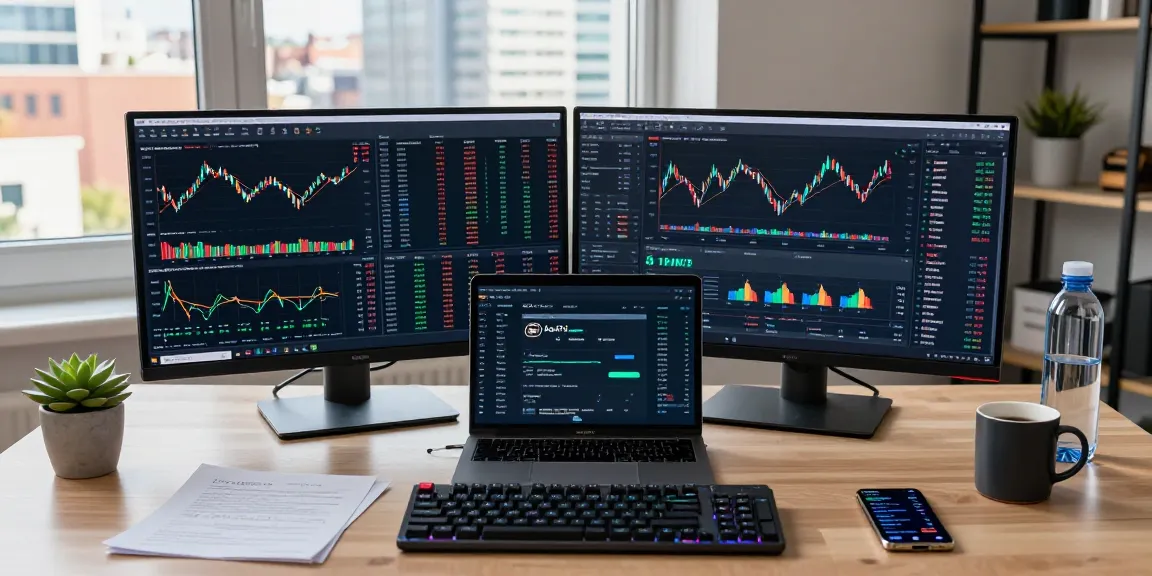
Candlestick charts are essential tools for traders as they provide a visual summary of price movements and market sentiment. Each candle represents price action over a specific period, showing open, close, high, and low prices. Key indicators such as moving averages, Relative Strength Index (RSI), and Moving Average Convergence Divergence (MACD) can help traders identify trends, reversals, and potential entry and exit points.
Effective Trading Strategies for HCNWF and Other Stocks
When trading stocks like HCNWF, having a well-defined strategy is crucial. Techniques such as swing trading, day trading, or long-term investing can be employed based on individual risk tolerance and market conditions. It’s essential to combine technical analysis with fundamental insights, such as company performance and industry trends, for informed decision-making.
Market Timing: When to Buy or Sell Your Assets?
Determining when to buy or sell investments requires keen market observation and understanding of trading psychology. Investors should track market news, company announcements, and broader economic indicators. Implementing strategies like stop-loss orders can help protect investments by automatically selling assets when they fall to a specified price.
DeFi Protocols and Yield Farming Explained
Decentralized Finance (DeFi) has transformed traditional financial practices by allowing users to engage in lending, borrowing, and yield farming without intermediaries. This shift leverages blockchain’s capabilities to create open financial systems.
Introduction to DeFi Platforms and Their Benefits
DeFi platforms offer a range of services including decentralized exchanges (DEXs), lending protocols, and automatic market makers (AMMs). These platforms allow for increased accessibility, lower fees, and improved user control over assets. Yield farming, in particular, allows users to earn rewards by providing liquidity to the platforms they use.
How to Participate in Yield Farming Safely
Engaging in yield farming involves placing cryptocurrencies in liquidity pools to earn returns. However, potential investors must ensure they understand the risks involved, such as impermanent loss and smart contract vulnerabilities. Conducting thorough research and continuously monitoring market conditions can mitigate risks and enhance returns.
Evaluating Risk and Returns in DeFi Investment
Investors in DeFi should continually assess the risk-return profile of their investments. Many DeFi projects offer high yields, but these may come with inherent risks, including the potential collapse of the underlying protocols. A careful evaluation of project fundamentals, user adoption, and security audits is essential for informed decision-making.
Wallet Security and Private Key Management
Security remains a paramount concern in the cryptocurrency space. As digital assets are susceptible to theft and hacking, implementing best practices for wallet security is critical.
Best Practices for Securing Your Cryptocurrency
To secure cryptocurrencies, users should employ hardware wallets for long-term storage and software wallets for active trading. Utilizing two-factor authentication (2FA) and avoiding the sharing of private keys and recovery phrases are crucial practices to mitigate risks.
Understanding Hardware vs. Software Wallets
Hardware wallets, such as Ledger and Trezor, store private keys offline, offering protection against online threats. In contrast, software wallets provide convenience for quick transactions but may be vulnerable to cyber threats. Choosing the appropriate wallet type depends on an individual’s trading habits and security needs.
Common Security Threats and How to Avoid Them
Crypotcurrency investors face various security threats, including phishing attacks, fake websites, and exit scams. By educating themselves about these risks and adopting precautionary measures, investors can better safeguard their assets against malicious actors.
Smart Contracts and Their Applications
Smart contracts represent a foundational component of blockchain technology, enabling self-executing agreements. They eliminate the need for intermediaries, thereby enhancing efficiency and reducing costs.
What Are Smart Contracts and How Do They Work?
Smart contracts operate on blockchain networks and execute automatically when predefined conditions are met. These contracts are immutable and transparent, allowing for trustless interactions between parties.
Security Audits for Smart Contracts: Why They Matter
Conducting security audits for smart contracts is essential to identify vulnerabilities and potential exploits. Auditing can help prevent financial losses and ensure the contracts operate as intended.
The Future of dApps: Trends and Predictions
As decentralized applications (dApps) continue to evolve, innovations such as Layer-2 solutions and cross-chain compatibility are expected to drive user adoption and enhance functionality. Keeping abreast of these trends is vital for investors looking to capitalize on emerging opportunities.
What are the risks of HCNWF stock investment?
Investing in HCNWF or any stock involves inherent risks, including market volatility, regulatory changes, and company-specific factors such as financial performance and competitive positioning. Investors should conduct thorough research and consider their risk tolerance before proceeding.
How has HCNWF stock performed compared to its competitors?
Analyzing HCNWF’s performance against peers provides insights into its relative standing and growth potential. Factors such as market trends, business strategy, and financial health are critical elements in this assessment.
What factors influence the hcnwf stock price?
Several factors influence HCNWF’s stock price, including macroeconomic conditions, company announcements, industry developments, and overall market sentiment. Investors should monitor these variables closely to inform investment decisions.
How to stay updated on HCNWF stock news?
Staying informed about HCNWF stock involves subscribing to financial news outlets, following market analysts, and joining relevant online communities. With timely information, investors can react accordingly to price changes and investment opportunities.
What are the benefits of investing in decentralized networks?
Investing in decentralized networks can provide advantages such as increased security, privacy, and control over assets. Additionally, the potential for high returns through innovative financial products makes them an attractive consideration for tech-savvy investors.
Regulatory & Legal Compliance
The evolving regulatory landscape presents both challenges and opportunities for cryptocurrency and blockchain projects. As regulations develop, investors must navigate these regulations carefully to remain compliant.
2026 regulatory landscape
As we look towards 2026, regulations are increasingly focusing on investor protection, market integrity, and anti-money laundering (AML) measures. Frameworks such as the SEC regulations in the U.S. and MiCA in the EU reflect this trend, emphasizing the importance of compliance for both projects and investors.
SEC regulations and securities classification
The U.S. Securities and Exchange Commission (SEC) has adopted a stringent approach to classifying cryptocurrencies and tokens. Some tokens may be classified as securities, subjecting them to regulatory oversight. It is critical for investors to understand these classifications and how they impact investment strategy.
CFTC oversight of crypto derivatives
The Commodity Futures Trading Commission (CFTC) has begun to exercise regulatory authority over cryptocurrency derivatives. Investors should familiarize themselves with CFTC guidelines to ensure compliance in trading these products.
AML/KYC requirements for exchanges
Anti-Money Laundering (AML) and Know Your Customer (KYC) regulations necessitate that exchanges conduct thorough identity verifications for users. Adhering to these requirements is essential for participating in crypto markets legally.
Tax implications and reporting requirements
Taxation on cryptocurrency transactions varies by jurisdiction, leading to both compliance challenges and opportunities for investors. Understanding how capital gains taxes and reporting requirements apply is vital to achieving tax compliance.
Country-specific regulations and restrictions
Cryptocurrency regulations can differ considerably between countries. Investors should remain informed about local regulations and restrictions to navigate potential legal pitfalls effectively.
Security Threats & Risk Management
The cryptocurrency space is rife with security threats that can jeopardize investor assets. Being aware of these threats and employing effective risk management strategies is fundamental for safe investing.
Common security threats
Investors must remain vigilant against threats like phishing, malware, and 51% attacks. By implementing robust security practices, individuals can safeguard their investments from potential exploitation.
Provide risk mitigation strategies
Due diligence is essential for mitigating investment risks. Establishing a solid understanding of projects, including audits, community reputation, and red flags, can help investors make informed decisions and avoid potential scams.
Content Quality & Depth
Providing accurate, high-quality content is essential for fostering informed investment decisions among readers. This article has aimed to equip investors with the knowledge needed to navigate the complex landscape of cryptocurrency and blockchain technology effectively.
Conclusion
The world of blockchain and cryptocurrency continues to evolve rapidly, presenting both opportunities and challenges. Understanding the underlying technology, market dynamics, regulatory landscape, and investment strategies is crucial for success in this innovative space. As always, it is vital for investors to conduct their research and consult with financial advisors when making investment decisions.